
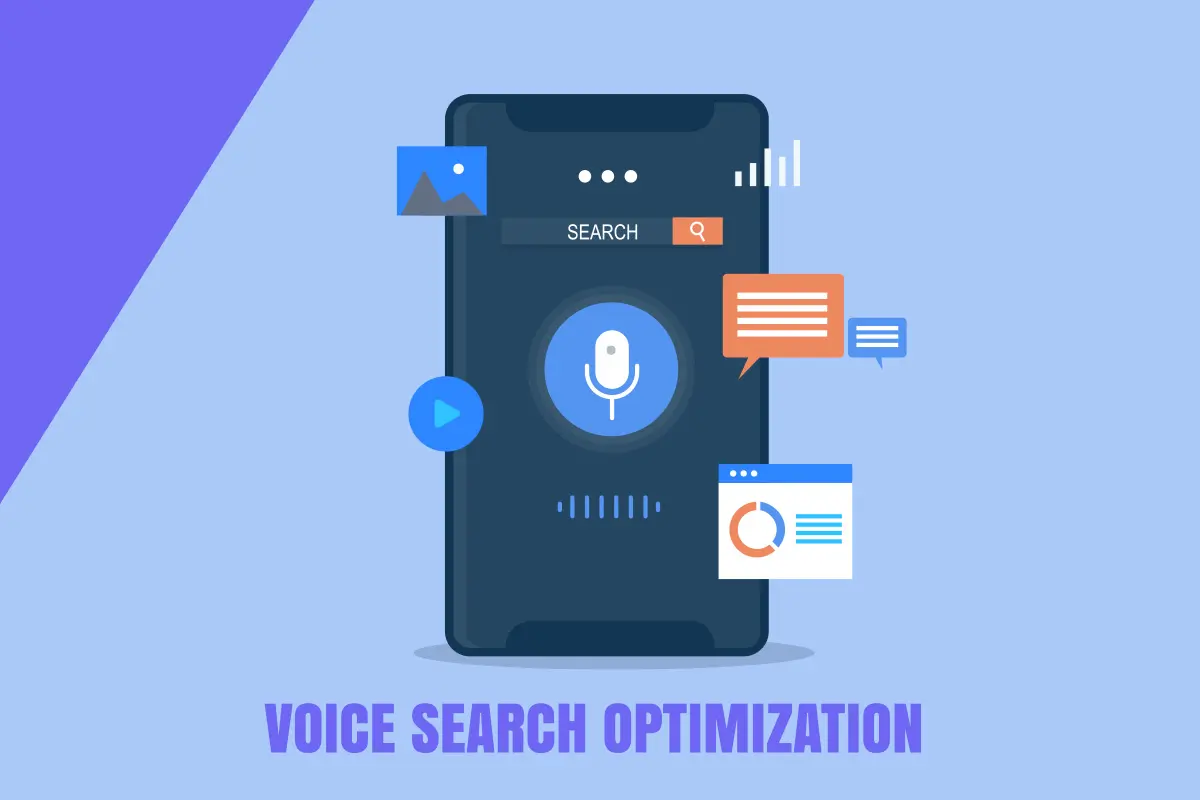
Voice Search Optimization isn’t tomorrow’s tech marvel anymore – it’s today’s mobile reality. If you’re still playing catch-up in SEO thinking only about typed queries, it’s time to rethink your strategy. Voice search is booming, and it demands a different approach – more human, less robot.
Quick Answers – Jump to Section
- What Is Voice Search Optimization?
- Voice Search vs. Traditional SEO: Think Conversation, Not Keywords
- Core Strategies for Voice Search Optimization in 2025
- Technical Must-Haves for Voice SEO
- Measuring Success for Voice Search Optimization
- Quick Wins and Pitfalls to Dodge
- The Future of Voice Search: What’s Next?
- FAQ
- Final Thoughts
What Is Voice Search Optimization?
Simply put, Voice Search Optimization (VSO) means setting up your website and content so voice assistants like Siri, Alexa, Google Assistant, and Cortana can understand and deliver your information flawlessly. Unlike traditional typing, people talk in sentences and full questions, not keywords. It’s like shifting from telegraph to texting… or shouting across a room versus whispering to a best friend.
Why bother? By 2026, voice queries account for over half of mobile searches and keep growing. Ignoring it means missing out on millions of potential visitors who want fast, hands-free answers when they’re cooking, driving, or just plain impatient.
Voice Search vs. Traditional SEO: Think Conversation, Not Keywords

Keyword stuffing? That’s ancient history. Voice search queries tend to be longer, more natural, and often in question form like:
- “Where can I find the best pizza near me?”
- “How do I fix a leaky faucet fast?”
- “What’s the weather today in New York?”
Understanding this change means your content needs to anticipate natural speech, not robotic typing. It’s like writing for a chatty friend instead of a search engine robot.
Core Strategies for Voice Search Optimization in 2026
Now, let’s get tactical. VSO isn’t rocket science but it’s got its own playbook:
- Long-Tail, Conversational Keywords Are Your New Best Friends
Forget the short, clipped keywords of text searches. Optimize for how people actually talk – think questions, phrases, and everyday language. - Clear, Direct Answers Win Big
Voice assistants read snippets aloud, so get to the point. Place concise, one-sentence answers near the top of your pages, typically in bullet points or FAQ sections. Short, sharp, and search-friendly. - Add FAQ Sections and Question Headers
FAQs naturally target the who-what-when-where-why queries voice search loves. Use headers that mirror spoken questions. - Local SEO Is Non-Negotiable
“Near me” searches make up a massive part of voice queries. Get your business’s location details flawless on Google My Business, embed local keywords, and use Local Business schema mark up. - Speed and Mobile Optimization: No Excuses
Most voice searches happen on mobile devices. A slow, clunky website is a fast route off the voice search stage. Compress images, leverage caching, and adopt mobile-first design. - Schema Mark-up Boosts Voice Search Visibility
Structured data helps search engines – and voice assistants – make sense of your content. Implement FAQ schema, How-to schema, Local Business schema, and Speakable schema for best results.
Technical Must-Haves for Voice SEO

- Lightning-Fast Loading: Page speed influences rankings and user experience.
- Mobile-First Design: Responsive sites dominate voice search platforms.
- Voice-Friendly Structured Data: Tell the search engines exactly what your content pieces mean.
- Analytics That Track Voice Traffic: Use Google Search Console and other tools to monitor voice queries and adjust strategies accordingly.
Measuring Success for Voice Search Optimization
How do you know your voice SEO game is strong? Watch:
- Your traffic from voice-related long-tail keywords.
- Featured snippet counts – these little info boxes are often where voice assistants pull answers.
- Engagement and bounce rates from mobile devices.
- Tool insights from GSC, SEMrush, Ahrefs focusing on voice queries.
Quick Wins and Pitfalls to Dodge
Quick Wins:
- Create content answering specific questions.
- Build out comprehensive local business profiles online.
- Format content for easy scanning: bullet points, numbered lists, concise paragraphs.
Pitfalls:
- Don’t keyword-stuff. Your content should sound like a helpful human, not a robot vomiting keywords.
- Avoid ignoring mobile users; your site must load fast and be easy to navigate.
- Skipping mark-up means missing out on rich snippets and voice assistant traction.
The Future of Voice Search: What’s Next?
Voice search isn’t static – it’s evolving with AI and machine learning, powering better understanding and predictive results. Expect assistants to get smarter at context and intent, meaning your content must grow more contextually rich.
Plus, voice commerce is set to hit $164 billion globally by 2026, meaning optimizing for voice search will be driving serious sales too.
FAQ
- Is voice search optimization really worth the effort?
Absolutely. Voice searches are growing rapidly, and optimizing will help capture a key audience segment. - How do I start optimizing for voice search?
Rewrite content to be conversational, add FAQs, focus on local SEO, and speed up your site. - What types of content work best for voice search?
Short, clear answers to specific questions. Tutorials, FAQs, and how-tos are gold. - Can small businesses benefit from voice SEO?
Yes, especially with local “near me” searches. Make sure your local listings and schema are up to date. - How soon can I expect results?
Changes can reflect within weeks, but consistent effort over months yields the best gains.
Final Thoughts
Voice search optimization is about talking to your audience the way they want – naturally, quickly, and directly. Keep your answers concise, your mobile experience flawless, and your technical basics solid with structured data and fast load times.
It’s like upgrading from Morse code to instant chat. Get with the program or get left behind as your competitors charm the Alexa-savvy, Siri-using, Google Assistant-happy masses.
_________________________________________________________________
Get your business referenced on ChatGPT with our free 3-Step Marketing Playbook.
Want to know how we can guarantee a mighty boost to your traffic, rank, reputation and authority in you niche?
Tap here to chat to me and I’ll show you how we make it happen.
If you’ve enjoyed reading today’s blog, please share our blog link below.
Do you have a blog on business and marketing that you’d like to share on influxjuice.com/blog? Contact me at rob@influxjuice.com.
Latest Blogs
- Why Web3 Teams Are Turning to Gamma to Build Decks and Docs Faster
- Cyber5 Prep for Web3 Brands: Get Your Paid Media Ready Before Costs Spike
- How AI Is Changing the Way Customers Find and Judge Web3 Brands
- BrandJet Review: The All-in-One Outreach CRM We Use at Influxjuice
- How I Fixed a Hacked WordPress Site With 30,000+ Malware Files for $0