
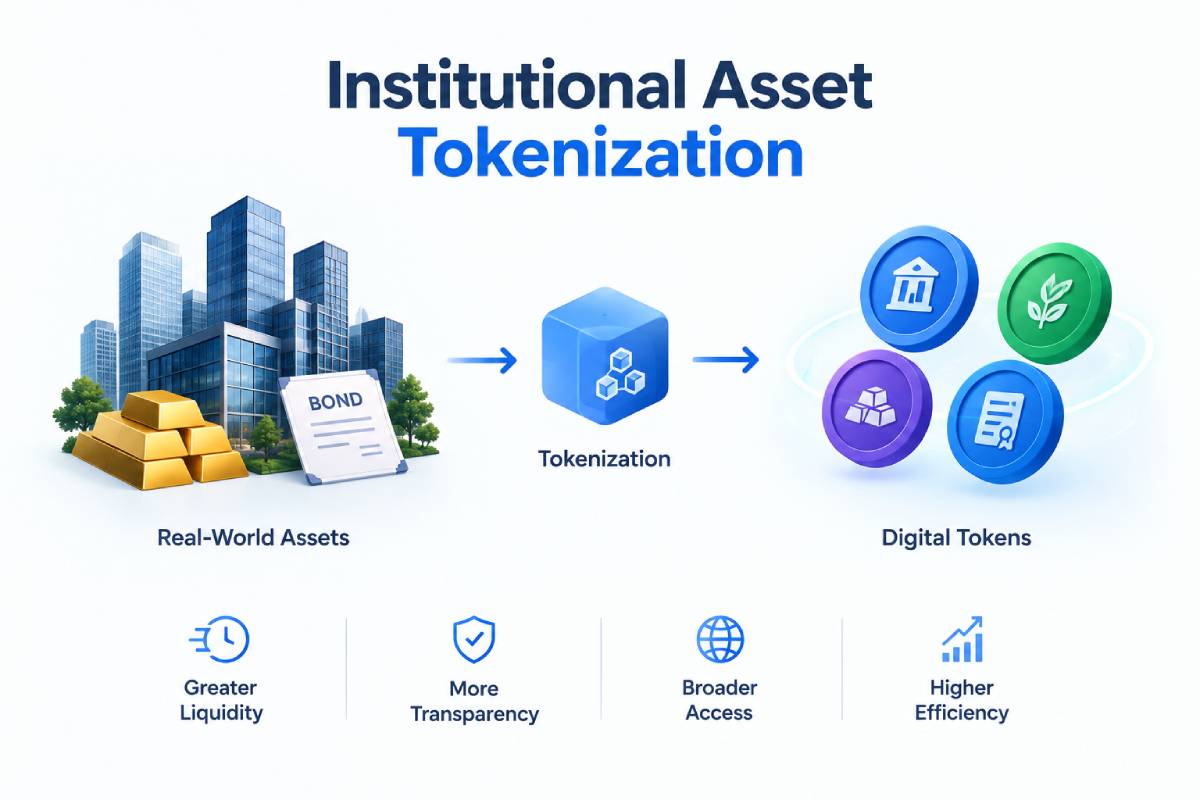
The financial world is moving toward distributed ledgers quickly, but building the tech is only half the job. Recent market data from Boston Consulting Group points to a huge opportunity: tokenizing illiquid assets is on track to become a multi-trillion-dollar category.
Yet 74% of institutional issuers still struggle to connect legacy legal structures with distributed ledger technology. This breakdown looks at why infrastructure alone cannot solve the distribution problem, what regulators and clearing houses are building right now, and why the real differentiator for digital securities in 2026 comes down to go-to-market strategy, positioning, and investor acquisition.
_____________________________________________________________
Quick Answers – Jump to Section
- The 74% Execution Gap in Digital Securities
- SEC Frameworks and Clearing House Integrations
- Bridging Tech Infrastructure with Investor Demand
- Why Ecosystem Collaboration Wins in 2026
- Final Thoughts
- Frequently Asked Questions
_____________________________________________________________
The 74% Execution Gap in Digital Securities
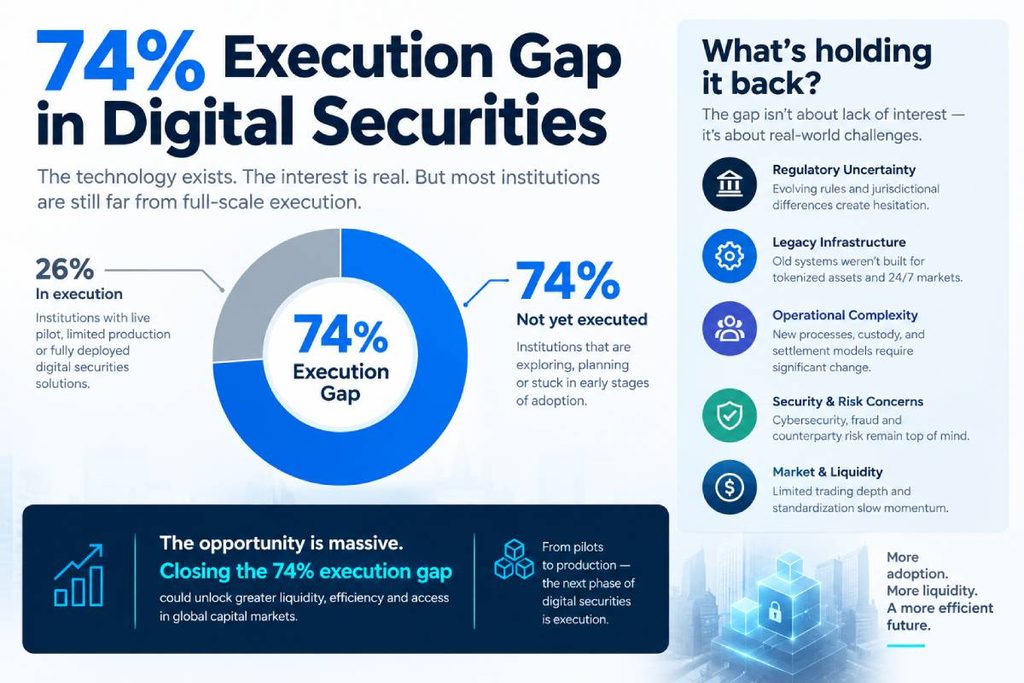
Every major market change runs into an execution bottleneck, and tokenization is no different. On paper, converting real-world assets into smart contract-enabled digital securities promises fractional ownership, automated compliance, and around-the-clock global liquidity.
In practice, three out of four institutional issuers get stuck right after deployment. They build compliant smart contracts and secure legal opinions, but their offerings never generate meaningful secondary market volume.
The root cause is simple: tokenization is a distribution challenge first, and a technical one second. If prospective investors don’t understand the value or feel confident in the onboarding process, even a carefully built smart contract sits empty.
When positioning complex financial products, founders need to establish authority straight away, right from the first conversation.
A handful of closing techniques that help founders end a pitch with real impact can sharpen that final push when a founder is standing in front of an institutional buyer who has heard a dozen similar pitches already.
_____________________________________________________________
SEC Frameworks and Clearing House Integrations
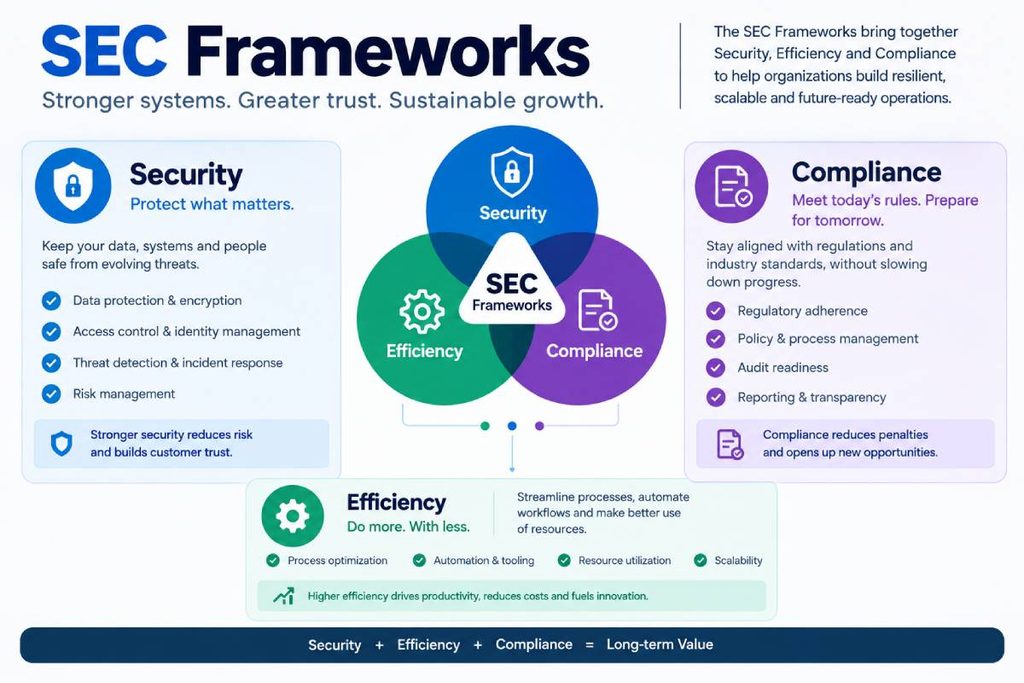
While individual issuers struggle with distribution, institutional rails are being built at the macro level, even if the pace doesn’t make headlines every week. The SEC recently introduced a temporary framework that lets permissioned blockchain venues facilitate trading for tokenized U.S. stocks. This controlled setup gives regulators and issuers a way to test secondary-market liquidity while keeping traditional shareholder rights intact.
At the same time, legacy clearing infrastructure is connecting directly to on-chain products. The DTCC added Oasis Pro Markets as the first tokenization platform on its Fund/SERV network. This integration lets tokenized investment funds settle and report through the same channels traditional asset managers have used for decades.
As traditional finance and web3 move closer together, companies that adapt their messaging early will build competitive advantages that last. A practical look at the traits that help a business hold up through structural market change gives issuers a useful frame for positioning themselves as a stable, credible option rather than a speculative one.
_____________________________________________________________
Bridging Tech Infrastructure with Investor Demand
Unlocking liquidity means moving past technical jargon entirely. Institutional investors and family offices don’t buy “smart contracts.” They buy risk-adjusted yields, operational efficiency, and market access.
To close the 74% execution gap, tokenized asset issuers need to focus on three growth pillars. Institutional education means translating blockchain mechanics into familiar risk, compliance, and yield language.
Multi-touch investor nurturing means using automated messaging and multi-channel outreach to keep prospective buyers engaged across long deal cycles. Transparent brand authority means building credibility through clear press coverage, educational content, and active industry participation.
Streamlining the outbound funnel matters just as much as any of this for converting institutional leads into closed deals.
A set of proven tactics for lifting sales performance across a pipeline applies directly here, since a long institutional deal cycle lives or dies on how well a team manages that pipeline over several months.
_____________________________________________________________
Why Ecosystem Collaboration Wins in 2026
Working across legacy finance, regulatory compliance, and distributed technology cannot happen in isolation. The companies leading this market are the ones actively working alongside institutional peers, legal counsel, and marketing strategists, rather than trying to figure it all out alone.
The pattern already shows up in how regulated exchanges and traditional finance firms are structuring new partnerships. A closer look at what regulated token distribution looks like once exchanges and traditional finance firms team up gives issuers a preview of the standard they’ll likely be measured against as more of this activity moves into the open.
As a founding member of The Tokenized Asset Foundation, I see firsthand how bringing issuers, asset managers, and infrastructure providers together speeds up market adoption. The Foundation provides the network, frameworks, and institutional insights needed to close the execution gap and bring tokenized real-world assets to market successfully.
If you’re an issuer, asset manager, or tech founder building in the digital securities space, you don’t have to work through these market changes on your own.
You can apply to join The Tokenized Asset Foundation to connect with industry leaders, access institutional research, and scale your tokenized offerings. As a founding member, I may earn an affiliate commission if you join through this link, at no extra cost to you.
_____________________________________________________________
Final Thoughts
Tokenization’s technology problem is largely solved. The execution gap that stops 74% of issuers comes down to distribution, positioning, and investor confidence, not smart contract code.
Treat go-to-market strategy with the same seriousness as legal structuring, build messaging that speaks to risk and yield rather than blockchain mechanics, and work alongside the regulators, clearing houses, and institutional peers already shaping this space. Issuers who close that gap now will be the ones setting the standard once the rest of the market catches up.
_____________________________________________________________
Frequently Asked Questions
Why do 74% of institutional asset tokenization projects struggle?
Most issuers focus heavily on smart contract code and regulatory structuring but neglect go-to-market execution, investor education, and distribution channels necessary to attract secondary liquidity.
What is the SEC’s framework for tokenized stocks?
The SEC’s temporary framework allows specific tokenized U.S. equities representing actual underlying shares to trade on regulated, permissioned blockchain venues to evaluate secondary market liquidity and investor protections.
How does DTCC’s Fund/SERV integration help tokenized assets?
By adding tokenization platforms like Oasis Pro Markets to Fund/SERV, traditional asset managers can manage, settle, and report on tokenized funds using their existing institutional infrastructure.
_________________________________________________________________
Download your free copy of the Growth Engine Blueprint here and start accelerating your leads.
Want to know how we can guarantee a mighty boost to your traffic, rank, reputation and authority in you niche?
Tap here to chat to me and I’ll show you how we make it happen.
If you’ve enjoyed reading today’s blog, please share our blog link below.
Do you have a blog on business and marketing that you’d like to share on influxjuice.com/blog? Contact me at rob@influxjuice.com.
Latest Blogs
- Why Web3 Teams Are Turning to Gamma to Build Decks and Docs Faster
- Cyber5 Prep for Web3 Brands: Get Your Paid Media Ready Before Costs Spike
- How AI Is Changing the Way Customers Find and Judge Web3 Brands
- BrandJet Review: The All-in-One Outreach CRM We Use at Influxjuice
- How I Fixed a Hacked WordPress Site With 30,000+ Malware Files for $0