Category: Business Finance
-
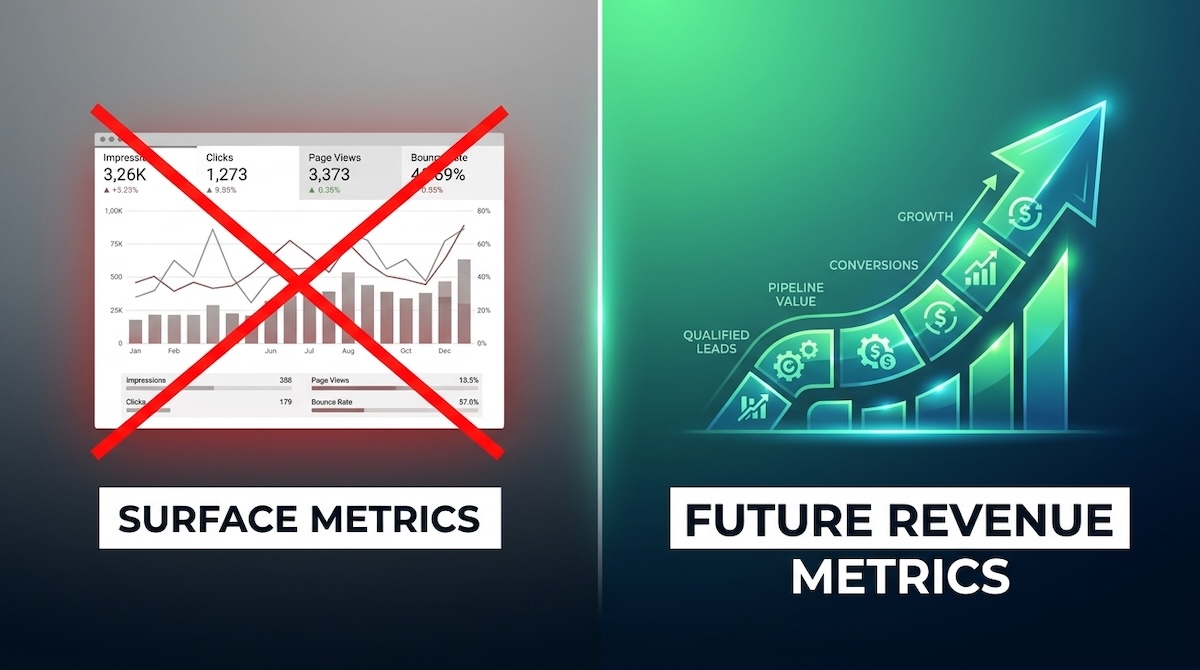
5 Key Data Metrics That Predict Future Business Revenue

Tracking key data metrics that forecast future cash flow is vital for any business owner tired of watching high site engagement fail to yield bank deposits. Standard analytics dashboards display rising post impressions, higher open rates, and growing site visits, seem to offer a sense of momentum. But does it drive profitability? Spending capital on… Read more
-
What UK Fund Managers Need to Know Before Moving Private Credit On-Chain in 2026

Private credit is one of the biggest stories in finance right now, and a growing number of UK fund managers are asking the same question: should our loans live on a blockchain? The short answer is yes, it can work well, but only if you get five things right first. You need to understand what… Read more
-
How to Explain RWA Tokenization to a Traditional Finance Audience Without Losing Them at ‘Blockchain’
If you want a room full of traditional finance people to stay with you, lead with the money and save the technical words for later. That’s the whole trick behind this post. RWA tokenization is a way of turning a real asset, like a bond, a loan, or a piece of property, into a digital… Read more
-
Why On-Chain Payroll Startups Lose B2B Deals on the First Sales Call – And How to Fix the Positioning

On-chain payroll sounds simple. A company wants to pay a worker. The payroll platform sends money through a blockchain. The worker gets paid. Easy, right? Not quite. The moment you sell this to a CFO, finance lead, or HR team, ten more questions appear. How do we handle taxes? Who manages wallets? What happens during… Read more
-
The MiCA Dual Licensing Problem: What It Costs a Fintech Startup to Launch a Euro Stablecoin in 2026
If you have been planning to launch a euro stablecoin in Europe, MiCA is the regulation you needed. It replaced fragmented national rules with one framework across all 27 EU member states. The problem is getting licensed. Launching a euro stablecoin under MiCA in 2026 does not require one license. It requires two. The dual… Read more
-
What ‘Yield-Bearing Stablecoins’ Mean for a Fintech CFO Managing Treasury
Many fintech CFOs hear ‘yield-bearing stablecoin’ and picture something close to a money market fund in a digital wrapper. That covers only one of three very different product categories sitting under that label. A T-bill-backed stablecoin, a DeFi lending instrument, and a delta-neutral derivatives product are not the same risk profile, do not sit the… Read more
-
USDC vs EURC: Which Stablecoin Makes Sense for B2B Invoice Payments in Europe in 2026
If you are settling B2B invoices in Europe using USDC, you are taking on a currency problem that is easy to overlook. Both tokens come from Circle, both are MiCA-compliant, and both settle in seconds on the same blockchains. The difference is the peg. USDC tracks the dollar. EURC tracks the euro. For euro-denominated invoice… Read more
-
PSD3 Is Coming: 5 Things a UK Fintech’s Sales Team Needs to Adjust Before It Lands
PSD3 is the EU’s next major payments directive. It builds on PSD2. It tightens rules around fraud liability, authentication, and open banking access. UK fintechs selling into the EU, or watching the FCA build a parallel regime at home, can’t treat this as a legal team problem alone. Sales teams need to adjust too. This… Read more
-
How Web3 Companies Pay UK and EU Contractors With Stablecoins
A Web3 company hiring a contractor in London or Lisbon used to run into the same wall every payday: slow international transfers, high fees, and a banking system that wasn’t built for a fast-moving crypto business on the other end. More companies are skipping that wall entirely by paying contractors directly in stablecoins. This post… Read more
-
Why SaaS Companies Are Embedding Stablecoins Into B2B Billing in 2026
SaaS companies used to treat stablecoins as an experiment, something to test with a handful of crypto-native customers on the side. In 2026, more of them are building stablecoins settlement directly into their core billing flow instead. This post breaks down why that change is happening now, what embedding a payment rail into billing really… Read more