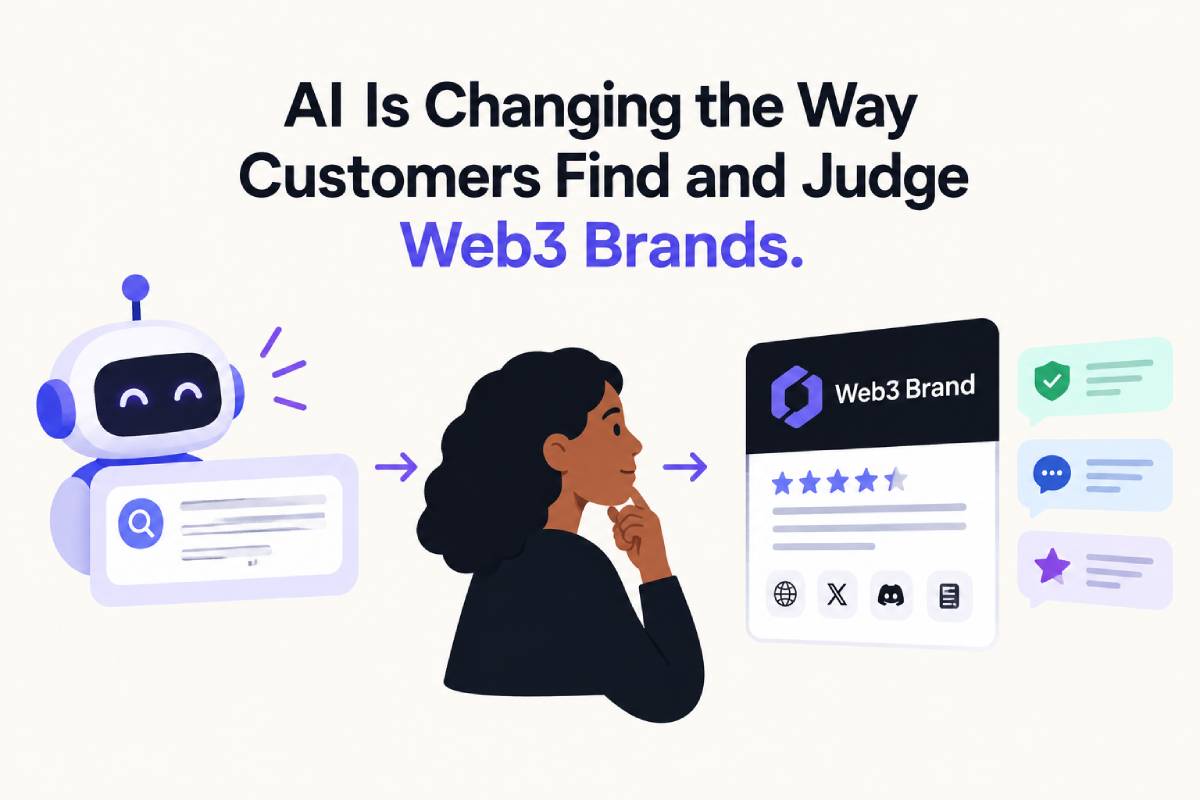


If you work in Web3 or fintech, you have probably felt the change. People still Google, yet more of them now ask ChatGPT first. That means your best content can lose attention, even if it ranks.
Today’s blog shows six Generative Engine Optimization tactics fintech brands are using to show up inside ChatGPT-style answers. You will see what works, why it works, and how to copy it without turning your site into a robot-written FAQ farm.
Quick answers – jump to section
- What it means to appear in ChatGPT
- Tactic 1 Write pages that answer one job fast
- Tactic 2 Build quote-ready blocks inside your content
- Tactic 3 Use schema that matches how people ask questions
- Tactic 4 Earn third-party mentions that AI tools repeat
- Tactic 5 Fix the crawl and index basics so your pages get picked up
- Tactic 6 Track prompts and update pages like product docs
- Final Thoughts
- Frequently Asked Questions
What it means to appear in ChatGPT

Appearing in ChatGPT usually means one of two things. Either your brand gets named in the answer, or your page gets used as a source in the citations. In both cases, the model needs something it can reuse without guessing.
People keep asking online, “How do I get my brand mentioned by ChatGPT,” and the honest answer is strategy. You need clear pages, clear proof, and clear wording that other sites can repeat. If your site is vague, AI tools will pick a clearer source, even if that source is worse.
Tactic 1 – Write pages that answer one job fast
Fintech brands that show up in AI answers do not write “everything about payments” pages. They write pages that solve one job, for one reader, in one sitting. That job might be “compare stablecoin payouts vs bank wires,” or “how to pass compliance checks for DeFi onboarding.”
This is also why broad “what is DeFi” posts rarely get you named. They are too generic, and the web already has a million of them. Instead, write the page your buyer needs right before they book a call, then make the answer obvious in the first 10 seconds.
If you want a clean way to map topics around entities, use a simple entity-based SEO setup so your content stops sounding like a dictionary.
Tactic 2 – Build quote-ready blocks inside your content
AI tools love text they can lift without breaking meaning. That means short definitions, step lists written in plain English, and clear “if X then Y” lines. You are not writing for robots, you are writing so a robot can quote you without making you look stupid.
A practical trick is to add mini answer blocks under your subheadings. One or two sentences. Then expand below with examples and edge cases. People on forums keep asking for “templates” and “exact wording,” because they are tired of vague advice, so give them lines they can reuse.
If you want your writing to get picked up more often, use a simple way to write content that AI tools quote and treat every section like it might be pasted into a chat.
Tactic 3 – Use schema that matches how people ask questions
Schema is not magic, yet it helps machines understand what your page is. Fintech brands that win here use Article and Organization schema properly, then add FAQ schema only where it fits the page and the user intent.
The key is matching real questions. People ask “fees,” “limits,” “settlement time,” “is it legal,” and “what happens if it fails.” If your page has those questions as headings, plus clear answers under them, you make it easier for AI tools to pull the right chunk.
Tactic 4 – Earn third-party mentions that AI tools repeat
This is the part people do not want to hear. AI answers often repeat what the web repeats. That means third-party mentions, reviews, comparisons, and community posts can help more than another blog on your own site.
Reddit and Quora threads show the same pattern. Users ask for “best tool,” “best platform,” “who should I use,” and “what is safe.” If your brand is not present on pages that already rank for those questions, you will struggle to get named. So you need distribution, not just publishing.
Tactic 5 – Fix the crawl and index basics so your pages get picked up
You cannot get quoted if your pages are hard to crawl, slow to load, or blocked by accident. A lot of Web3 sites are built with heavy front ends, and that can hide content from crawlers if you are not careful.
So do the boring checks. Make sure your important pages are indexable, your canonicals are clean, and your internal links point to the pages you want to be remembered. If your organic traffic is flat or falling, start with a clear plan for fixing a decline before you add more content.
Tactic 6 – Track prompts and update pages like product docs
The best fintech brands treat AI visibility like a product surface. They track the prompts buyers use, then they update pages to answer those prompts better. That means adding missing comparisons, updating numbers, and tightening explanations.
People keep asking, “How do I measure if this is working,” and you can start simple. Pick 20 prompts your buyers use. Run them weekly. Note who gets named and what sources get cited. Then update your pages so they are easier to quote and harder to misunderstand.
If you need more ways to show up without relying on backlinks, use content angles that can rank without backlinks and build pages that answer real questions, not marketing slogans.
Final Thoughts
Generative Engine Optimization is not a new religion. It is the same job as SEO, with one extra rule: your content must be easy to reuse inside an answer.
If you want to appear in ChatGPT, write pages that do one job, add quote-ready blocks, use schema cleanly, earn third-party mentions, keep your site crawlable, and update pages based on real prompts. Then be patient, because the web needs time to repeat you.
Frequently Asked Questions
How long does it take to show up in ChatGPT?
It depends on how fast your pages get crawled and how often your topic gets asked. Some brands see mentions after a few weeks, others take months.
The fastest route is usually being cited by third-party sites that already rank and get referenced often.
Do I need to publish lots of FAQ pages?
No. People ask for FAQs because they want direct answers, yet you can add those answers inside normal pages.
If you publish thin FAQ pages, you can end up with lots of low-value URLs that confuse your site structure.
What topics work best for fintech and Web3 brands?
Topics with clear intent work best. That means comparisons, checklists, compliance steps, and “how it works” pages tied to real use cases.
If your page helps someone make a decision, it is more likely to be quoted.
How do I know which prompts to track?
Start with sales calls, support tickets, and community questions. Then add the prompts you see on Reddit and Quora.
Pick prompts that show buying intent, not just curiosity, and update the pages that should win those answers.
_________________________________________________________________
Download the free Growth Engine Blueprint here and copy how we generate leads for our clients.
Want to know how we can guarantee a mighty boost to your traffic, rank, reputation and authority in you niche?
Tap here to chat to me and I’ll show you how we make it happen.
If you’ve enjoyed reading today’s blog, please share our blog link below.
Do you have a blog on business and marketing that you’d like to share on influxjuice.com/blog? Contact me at rob@influxjuice.com.
Latest Blogs
- Why Web3 Teams Are Turning to Gamma to Build Decks and Docs Faster
- Cyber5 Prep for Web3 Brands: Get Your Paid Media Ready Before Costs Spike
- How AI Is Changing the Way Customers Find and Judge Web3 Brands
- BrandJet Review: The All-in-One Outreach CRM We Use at Influxjuice
- How I Fixed a Hacked WordPress Site With 30,000+ Malware Files for $0