

Headlines are the first thing your audience sees – yet most headlines never stand out or drive real results. If you’ve ever published a blog post, a landing page, or even a social ad and wondered why it didn’t get the clicks you hoped for, the answer often starts with your headline.
Why do most marketers and founders struggle to write headlines that attract attention and rank well in search engines? Keep reading to find out and learn how you can fix it with a few practical strategies.
The Real Reason Headlines Matter

A headline is more than just a title. It’s the promise you make to your reader. A strong headline stops the scroll, sparks curiosity, and tells both people and search engines what your content is about. If your headline falls flat, your content will likely be ignored – no matter how good the rest of it is.
Start With Keyword Research: The Foundation of Every Great Headline
Effective headlines start with research. Before you write anything, find out what your audience is actually searching for. This isn’t about guessing or using buzzwords – it’s about using data to match your headline to real user intent.
How to do it:
- Use tools like Google Keyword Planner, SEMrush, or Ahrefs to identify high-intent keywords.
- Look for keywords with a balance of search volume and competition. Too competitive, and you’ll never rank. Too obscure, and no one will find you.
- Focus on user intent. Are people looking for a solution, information, or to buy something?
- Don’t ignore long-tail keywords. These specific phrases are less competitive and often signal a reader who’s ready to act.
Example:
Instead of targeting “marketing,” try “best Instagram marketing strategies for e-commerce brands.” This is more specific, less competitive, and more likely to attract someone ready to take action.
Headline Structure: Make Every Word Count

A headline’s structure can make or break its performance. The best headlines are clear, concise, and focused. Here’s what works:
- Keep it under 60 characters to avoid truncation in search results.
- Place your primary keyword near the front, since search engines and readers both pay attention to the first words.
- Make it easy to scan. Use simple, direct language.
What to avoid:
- Clickbait. Misleading headlines damage trust and can hurt your rankings.
- Keyword stuffing. Too many keywords make headlines awkward and hard to read.
Example Comparison:
| Weak Headline | Strong Headline |
|---|---|
| 10 Crazy Ways to Get More Traffic Fast! | 7 Proven SEO Strategies to Increase Website Traffic |
The strong headline is specific, clear, and puts the benefit up front.
Long-Tail Keywords: The Secret to Higher Conversions
Broad keywords attract a wide audience, but that’s not always a good thing. Long-tail keywords bring in readers who are looking for exactly what you offer.
- Instead of “social media marketing,” use “best TikTok marketing strategies for Web3 brands.”
- These longer phrases may get fewer searches, but the people who use them are more likely to convert.
Why it works:
Long-tail keywords match user intent more precisely. When your headline matches what someone is searching for, you’re more likely to get the click and the conversion.
Speak Directly to Your Target Audience

Generic headlines attract generic traffic. If you want to reach the right people, tailor your headline to your audience.
- Think about who you want to reach. Are they SaaS founders, e-commerce managers, or Web3 builders?
- Use words and phrases that speak to their needs and pain points.
Example:
Generic: “How to Improve Customer Support”
Targeted: “5 AI Tools to Streamline Customer Support for SaaS Companies”
The targeted headline attracts the right reader and increases the chance of engagement.
Optimize for Featured Snippets (Position Zero)
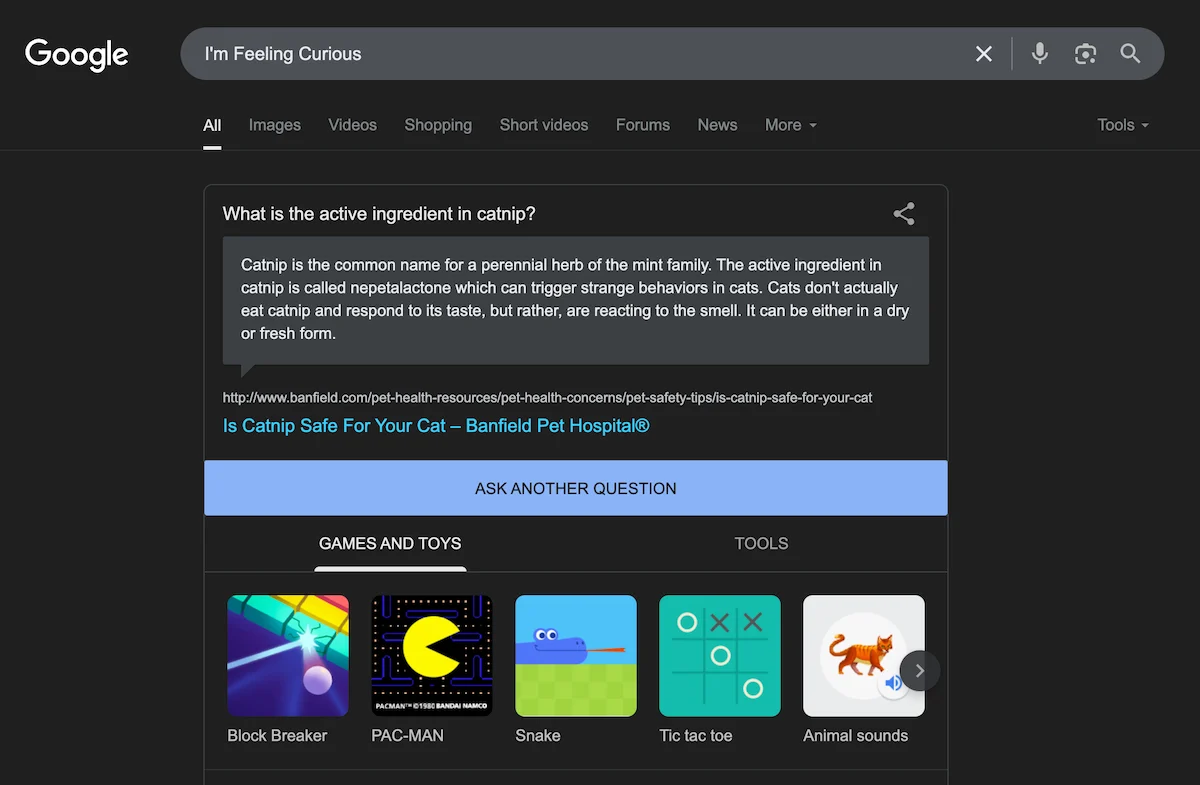
Featured snippets are the answer boxes you see at the top of Google. Landing here can drive a surge of traffic to your site.
How to optimize:
- Use question-based headlines: “How to…”, “What is…”, “Why does…”
- Provide a clear, concise answer in the first paragraph.
- Structure your content with bullet points or numbered lists.
Example:
“How to Optimize Blog Posts for SEO in 2024 [Step-by-Step Guide]”
This type of headline signals to Google that your content is ready for a featured snippet.
Test and Repurpose Multiple Headlines
Don’t settle for the first headline you write. The best marketers test different versions to see what performs best.
How to do it:
- Try A/B testing headlines on your blog, email, or ads.
- Use variations like:
- “X Ways to [Solve Problem]”
- “The Ultimate Guide to [Topic]”
- “[Number] [Keyword] Tips You Need to Know”
- Analyze performance and refine your approach.
Tools like CoSchedule’s Headline Analyzer, Optimizely, and Google Optimize help you track which headlines drive the most clicks and engagement, making it easier to double down on what works.
Align Headlines With Content Type
Different content formats need different headline strategies. Matching your headline to your content type sets clear expectations and draws the right audience.
| Content Type | Example Headline |
|---|---|
| Blog Post | How to Boost Email Signups in 30 Days |
| Listicle | 10 Best Crypto Wallets for Beginners |
| Video | [Quick Tip]: How to Secure Your NFTs in 60 Seconds |
A headline that fits the format increases the chances of engagement.
Key Takeaways for High-Performing Headlines
Let’s recap the actionable steps:
- Start with keyword research—especially long-tail phrases.
- Keep headlines clear, concise, and benefit-driven.
- Place your main keyword near the front.
- Test multiple variations to find the best performer.
- Repurpose strong headlines across different content formats.
Writing a great headline isn’t about luck. It’s about following a process, using data, and speaking directly to your audience.
Why Headline Optimization Pays Off
Optimizing your headlines can transform your content’s performance. You’ll see more clicks, higher rankings, and better conversions. Strong headlines build trust, set expectations, and help your brand stand out in a crowded market.
At InfluxJuice, headline optimization is a core part of the strategy for every client. By focusing on what works – research, structure, testing, and relevance – you can consistently create headlines that deliver results.
Ready to See Real Results?
If you want higher rankings, more traffic, and better conversions, InfluxJuice can help. Book a free strategy call to discuss how we can optimize your content for maximum impact. Don’t let another headline fall flat – make every word count.
Action Steps:
- Review your last five headlines. Are they specific, clear, and keyword-focused?
- Use a tool like Google Keyword Planner, SEMrush, or Ahrefs to uncover new long-tail keywords.
- Write three versions of your next headline and test them.
- Track which headlines get the most clicks, and use that data to improve.
Headline success isn’t magic, it’s method. Start using these strategies today, and watch your content performance grow.
_________________________________________________________________
Want to know how to increase customers and sales for your business?
Tap here to chat to me and I’ll show you how we make it happen.
If you’ve enjoyed reading today’s blog, please share our blog link below.
Do you have a blog on business and marketing that you’d like to share on influxjuice.com/blog? Contact me at rob@influxjuice.com.
Want to know how we can guarantee a mighty boost to your traffic, rank, reputation and authority in you niche?
Click here to access our Playbook – ‘SEM/GEM Guide’.
Latest Blogs
- Why Web3 Teams Are Turning to Gamma to Build Decks and Docs Faster
- Cyber5 Prep for Web3 Brands: Get Your Paid Media Ready Before Costs Spike
- How AI Is Changing the Way Customers Find and Judge Web3 Brands
- BrandJet Review: The All-in-One Outreach CRM We Use at Influxjuice
- How I Fixed a Hacked WordPress Site With 30,000+ Malware Files for $0