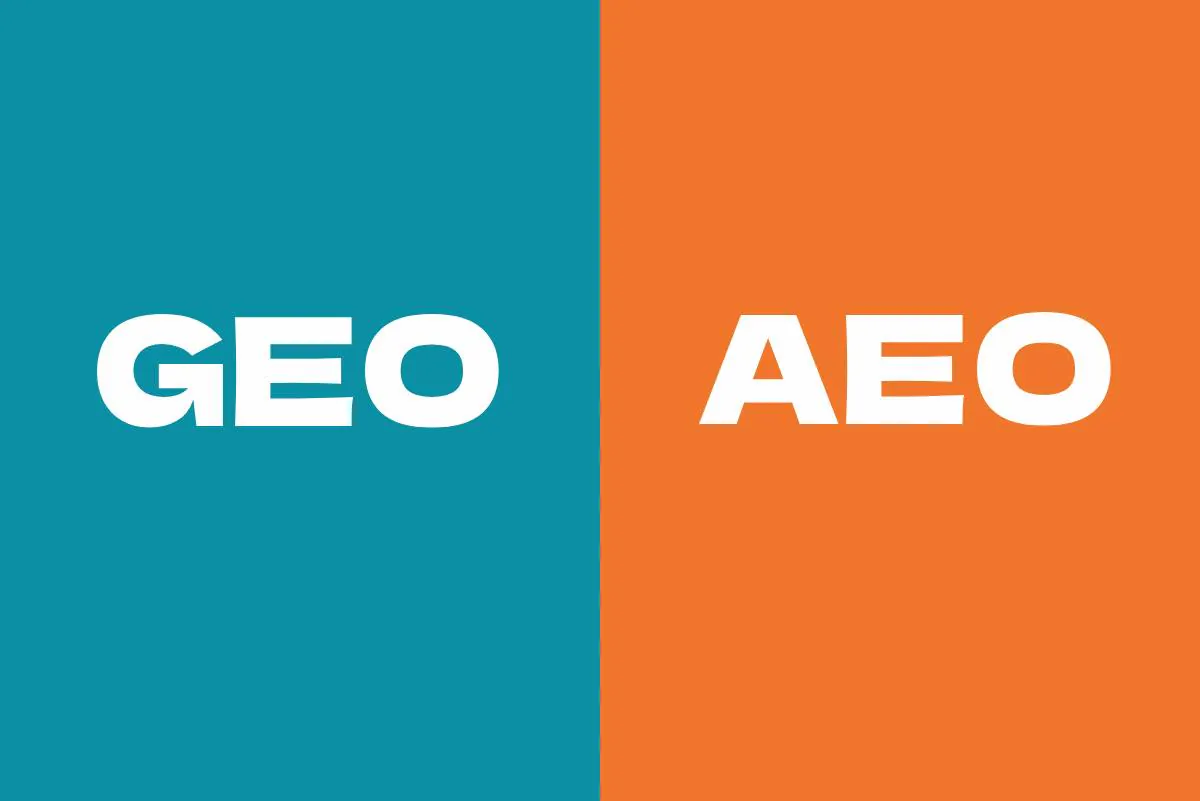
If you work in Web3, you know the space moves fast and people want answers quickly. Answer Engine Optimization (AEO) is about making your content easy for search engines and voice assistants to grab for quick, direct answers. It’s like giving a short, clear response to a question.
On the other hand, Generative Engine Optimization (GEO) helps your brand become a trusted source that AI tools quote when they create longer, detailed answers.
AEO helps you get noticed fast. Imagine someone asking, “What’s a DAO?” and your answer popping up right away. GEO builds your reputation over time by providing expert guides, case studies, and data that AI relies on.
For Web3 projects, both quick hits and lasting authority matter. You want to win the short game and the long game.
Quick Answers – Jump to Section
- How AEO Works for Web3
- What Makes GEO Different
- Balancing AEO and GEO in Web3
- Common Questions from the Web3 Community
- Mistakes to Avoid
- Final Thoughts
- Frequently Asked Questions
How AEO Works for Web3
AEO is straightforward. You answer questions clearly and directly. Use short sentences, bullet points, and schema markup so search engines understand what’s important.
For example, if someone asks, “What is token staking?” you give a simple definition followed by a few key facts. This approach boosts your chance to appear in voice search and featured snippets.
People often ask if AEO is just SEO with a new name. It’s not. AEO focuses on structured, direct answers that AI can easily pull. Keeping your FAQs updated with the latest Web3 questions from Reddit and Quora helps you stay relevant.
Web3 conversations often revolve around topics like “How safe are NFTs?” or “What’s the difference between Layer 1 and Layer 2 solutions?” Addressing these clearly helps your content get picked up for quick answers.
What Makes GEO Different
GEO goes deeper. It’s about creating in-depth content like guides, case studies, and expert articles. This kind of content is what AI tools use to build detailed responses. If you want your Web3 project to be the “go-to” source that ChatGPT or Gemini quotes, focus on GEO. Use question-based headings, back your points with real data, and include examples from your own Web3 work.
Web3 users often ask how often to update GEO content. The answer is as often as your project changes. Web3 moves quickly, so regular updates signal reliability to AI.
For example, combining detailed content with technical fixes like sitemaps and JSON-LD has proven effective, as outlined in a recent guide on optimizing generative engines.
Balancing AEO and GEO in Web3
Many Web3 marketers wonder if they should pick AEO or GEO. The best approach is to use both. AEO gets you quick visibility by answering specific questions, while GEO builds long-term trust by being a reliable source for AI-generated content. This balance ensures you capture both fast-moving search trends and deep, authoritative knowledge.
Another common question is whether schema markup really makes a difference. It does. Schema helps AI and search engines understand your content structure, making it easier to pull the right answers. For Web3 projects, implementing schema markup tailored for blockchain, NFTs, and DeFi sites can boost visibility significantly. This tactic is part of building trust signals that improve search results for new Web3 projects.
Common Questions from the Web3 Community
Web3 professionals frequently ask if these strategies work for DAOs, DeFi platforms, and NFT projects. They do. The key is to keep your language simple and your facts current, so both humans and AI trust your content. For example, when explaining complex concepts like decentralized governance or tokenomics, break them down into easy-to-understand sections with clear, concise answers.
Another popular topic is how to measure the success of GEO efforts. Metrics like brand mentions in AI-generated answers, URL citations by large language models, and inbound leads from AI discovery are more telling than just clicks or impressions. Practical advice on tracking these metrics can be found in resources that focus on measuring GEO success specifically for Web3 growth.
Mistakes to Avoid
Many Web3 projects make the mistake of treating AEO and GEO as rivals instead of teammates. Writing only for AI and ignoring human readers is another common error. Some skip schema markup or let their content go stale, which harms both search rankings and AI citations. It’s also vital to track which tactics bring in leads from AI tools versus traditional search to optimize your efforts effectively.
Failing to update content regularly is a big no-no in Web3. The space changes fast, and outdated info can cause users and AI to lose trust. Consistent updates show AI that your site is reliable and authoritative.
Final Thoughts
To stand out in Web3 search and AI discovery, use both AEO and GEO. Provide clear, direct answers for quick wins, and build detailed guides and case studies for lasting authority. Update your content regularly, use schema markup to help AI understand your site, and keep your language simple and concrete. This approach helps you win the short game and the long game in AI-powered search.
If you want to boost Web3 traffic immediately, applying some of the powerful fixes designed to improve generative engine visibility can provide quick wins while you build your longer-term content strategy.
Frequently Asked Questions
Q: Can I focus only on AEO or GEO?
A: No. AEO gets you quick visibility with short answers, but GEO builds long-term trust with detailed content. Using both together is the best strategy.
Q: How often should I update my GEO content?
A: Update GEO content as often as your project changes. Web3 moves fast, so regular updates keep your site reliable for AI.
Q: Does schema markup really help?
A: Yes. Schema markup helps AI and search engines understand your content structure, improving your chances to appear in answer boxes and AI-generated summaries.
Q: Do these strategies work for DAOs, NFTs, and DeFi?
A: Absolutely. Keeping language simple and facts current helps both humans and AI trust your content across all Web3 sectors.
Q: How do I measure GEO success?
A: Look beyond clicks. Track brand mentions in AI answers, URL citations by language models, and inbound leads from AI discovery to gauge impact.
_________________________________________________________________
Download your free copy of the Growth Engine Blueprint here and start accelerating your leads today.
Want to know how we can guarantee a mighty boost to your traffic, rank, reputation and authority in you niche?
Tap here to chat to me and I’ll show you how we make it happen.
If you’ve enjoyed reading today’s blog, please share our blog link below.
Do you have a blog on business and marketing that you’d like to share on influxjuice.com/blog? Contact me at rob@influxjuice.com.
Latest Blogs
- How to Choose a Payment Processor for SaaS With Global Customers Fees and Compliance Breakdown
- What Founders Get Wrong About Token Launch SEO Before TGE and How to Fix It Early
- CRO for Web3 Is Not a Landing Page Problem
- GEO for Web3: Why Prompt Volume Should Not Run Your Strategy
- How to Use AI for Graphic Design in Web3 Without Losing Your Brand