

If you sell Web3 or fintech B2B in 2026, appointment setting is not about being pushy. It is about being relevant, being quick, and being easy to say yes to. In today’s blog, I will show you a simple playbook you can run every week, so you book more meetings without sounding like a bot or a beggar.
Quick answers – jump to section
- What changed in 2026 and why meetings feel harder
- The one goal of appointment setting
- Who you should target and how to pick accounts
- The message stack that gets replies
- Cold email that gets a yes without sounding needy
- Cold calls that feel normal
- LinkedIn touches that do not feel spammy
- How to handle the three most common objections
- The follow-up rhythm that works
- What to track so you know it is working
- Final Thoughts
- Frequently Asked Questions
What changed in 2026 and why meetings feel harder
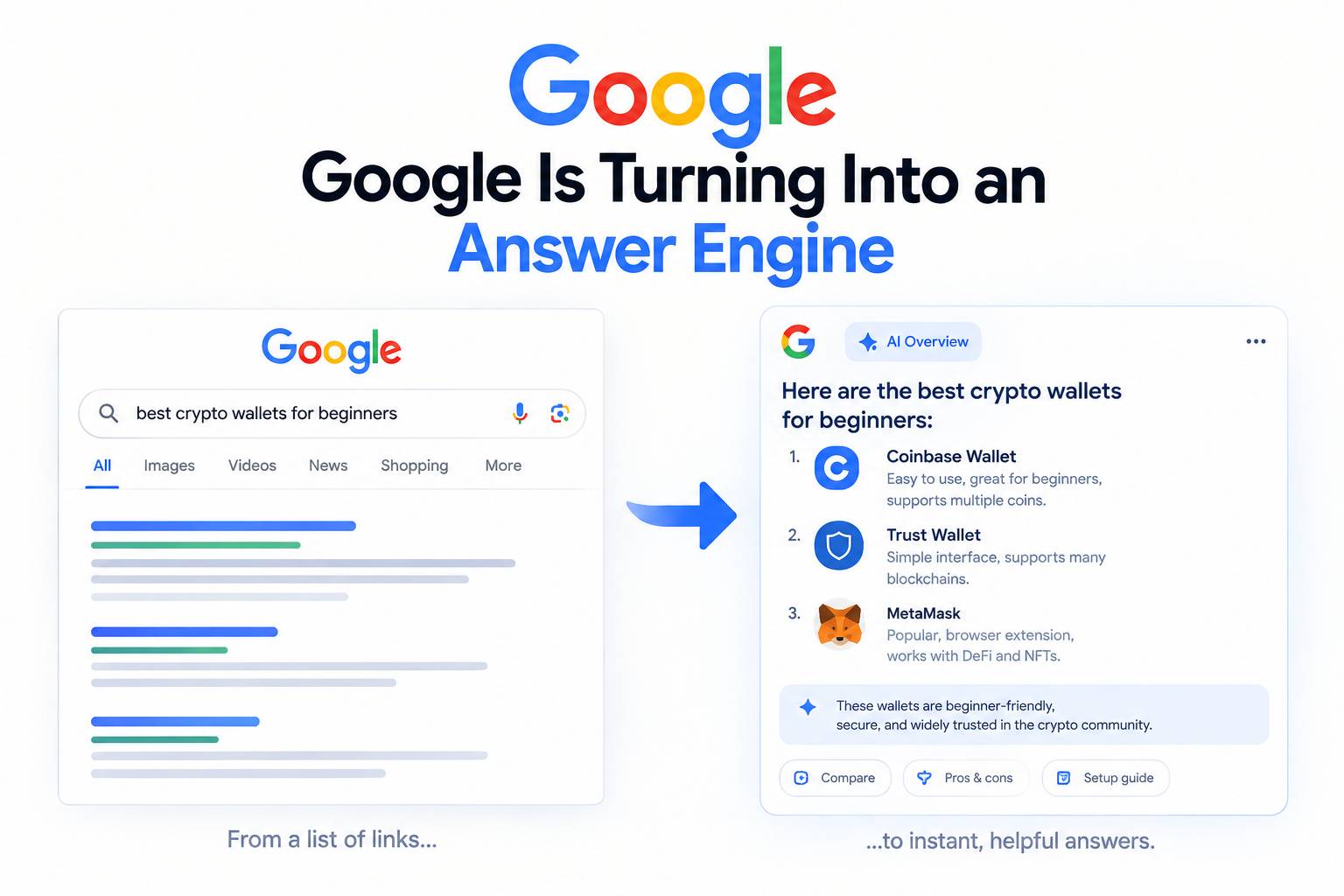
Buyers have more options and less patience. They can ask ChatGPT for a shortlist, then they can ask their network for a second opinion, and they can do it all before you even hit send. So your first message now competes with a pile of other messages and a pile of AI summaries.
Also, Web3 and fintech buyers are tired. They have seen too many vague pitches, too many “quick questions,” and too many decks that say nothing. So the bar is simple. If you cannot say what you do, who it is for, and why it helps, in plain words, you do not get the meeting.
If you want a simple way to keep your visibility steady while buyers shift between Google and AI answers, use the approach in a Google-first plan that still keeps you visible in LLMs and keep your basics tight.
The one goal of appointment setting

Your job is not to close in the first message. Your job is to earn a small next step that feels safe. That can be a 15 minute call, a short Loom, or a quick audit. The next step must feel like it saves them time, not steals it.
This is why your offer should be narrow. If you try to sell “growth” or “awareness,” you will get ignored. If you sell a clear outcome with a clear path, you get replies.
If you want a clean way to position the next step without defaulting to “book a demo,” use the idea of a low-friction entry point like the ones in lead magnets fintech teams use instead of free demos.
Who you should target and how to pick accounts
Start with signals, not lists. You want accounts that already show a reason to care. For Web3, that might be a protocol that just raised, a wallet that just launched a new region, or a fintech that is hiring for compliance and growth at the same time.
Then keep your targeting simple. Pick 50 accounts for the month. Pick two personas per account. Write down the one problem you think they have, and the one proof point you can use. If you cannot do that in one minute, you do not know them well enough yet.
The message stack that gets replies
Most outbound fails because it is one message trying to do ten jobs. Instead, build a message stack. First line is why you picked them. Second line is the problem in plain words. Third line is a small proof point. Fourth line is the next step.
Your proof point does not need to be a case study every time. It can be a simple observation that shows you looked. For example, “your pricing page hides the one thing buyers need,” or “your docs answer how it works, but not why it is safe.”
If you want a simple way to keep your wording clean and easy to repeat across channels, borrow the structure from a clear breakdown of outbound and inbound for Web3 and keep one main idea per line.
Cold email that gets a yes without sounding needy
Subject lines work best when they are plain and specific. Use their company name, a short topic, or a simple outcome. Then keep the email short enough that it can be read without having to scroll on a phone (that’s where a lot of replies happen).
A good cold email should feel like a normal note, not a pitch. Point at something real you noticed, then suggest a next step without using salesy trigger words that scream “marketing.” Avoid terms like free, discount, and offer, plus the usual alert words that get filtered or ignored. Run your draft through an LLM like Sintra to pull a full “words to avoid” list for your niche, then keep that list as a checklist before you hit send.
If you’re emailing regulated markets like the EU, keep your outreach process clean and documented; use a plain-English GDPR check for cold email so you do not create risk while you build pipeline.
Cold calls that feel normal
Cold calls work when they sound like a normal conversation. Start with your name, say why you are calling, then ask permission to take 20 seconds. If they say no, you thank them and ask when to call back. That is it.
The call is not a pitch. It is a sorting tool. You are checking fit, timing, and interest. If they are not a fit, you move on. If they are a fit, you offer a short next step. Keep your tone calm, and keep your words simple.
LinkedIn touches that do not feel spammy
LinkedIn is not a place to dump a pitch. It is a place to show you understand the buyer’s world. So your first touch should be a comment on something they posted, or a short message that points at a specific line from their site.
Then you earn the right to ask for a meeting. A simple rule helps. Give value twice, then ask once. If you want your content to support your outreach, write posts that answer the same questions your prospects ask on calls. That way your profile does half the work before you message anyone.
How to handle the three most common objections
The first objection is “send info.” That usually means “I do not see the point yet.” So send one short paragraph, one proof point, and one next step. Do not send a deck.
The second objection is “no budget.” That can be real, yet it can also mean “not a priority.” So ask what they are doing instead, and what would need to change for it to become a priority. The third objection is “we already have someone.” So ask what they like about the current setup, then offer a second opinion on one small part.
The follow-up rhythm that works
Most deals die because the follow-up is random. Use a simple rhythm. Day 0 email. Day 2 bump. Day 5 a new angle. Day 9 a short call. Day 14 a final note that gives them an easy out.
Each follow-up should add something new. A new observation, a new example, or a new risk you can help reduce. If you repeat the same message, you train them to ignore you.
What to track so you know it is working
Track inputs and outcomes. Inputs are how many accounts you touched, how many emails you sent, and how many calls you made. Outcomes are replies, meetings booked, meetings held, and deals created.
Also track quality. If you book meetings that never show, your targeting is off. If you get replies that say “not now,” your timing is off. If you get no replies, your message is off. Fix one thing per week, and your numbers will move.
Final Thoughts
Appointment setting in Web3 and fintech is simple when you stop trying to be clever. Pick accounts with signals. Write like a human. Offer a small next step that saves time.
Then run the same system every week. The majority of people quit too early, or they change the plan every three days. Stay consistent, keep your words clean, and let the system do its job.
Frequently Asked Questions
How many touches does it take to book a meeting in 2026?
For most B2B deals, it takes multiple touches across more than one channel. One email is rarely enough.
A simple sequence of 8 to 12 touches over two to three weeks is a solid baseline. Then you adjust based on replies and show rates.
Should I use email, calls, or LinkedIn first?
Use the channel your buyer is most likely to answer. Many fintech buyers answer email first. Many Web3 founders answer LinkedIn faster.
The best approach is a mix. Email for the first clear message, LinkedIn for social proof, and calls to speed up sorting.
What do I say if they ask for a deck?
Send a short note first, then ask one question. If you send a deck too early, you often lose control of the next step.
If they still want a deck, keep it short and make the next step clear. A deck should support the meeting, not replace it.
How do I avoid sounding like everyone else?
Stop using vague words. Use specific observations and plain language. Mention one thing you saw that shows you did the work.
Then keep your ask small. A short call with a clear agenda feels safer than a big “demo” request.
What is the fastest way to improve reply rates?
Tighten the first two lines of your message. Make it obvious why you picked them and what problem you can help with.
Then remove anything that sounds like a template. If it reads like it could be sent to 500 people, it will get treated like spam.
_________________________________________________________________
Download the free Growth Engine Blueprint here and copy how we generate leads for our clients.
Want to know how we can guarantee a mighty boost to your traffic, rank, reputation and authority in you niche?
Tap here to chat to me and I’ll show you how we make it happen.
If you’ve enjoyed reading today’s blog, please share our blog link below.
Do you have a blog on business and marketing that you’d like to share on influxjuice.com/blog? Contact me at rob@influxjuice.com.
Latest Blogs
- Why YouTube Plays Such a Big Role in Web3 Research and Buyer Confidence
- How to Edit Professional Videos for Your Business on a Budget
- The Fake Podcast Scam: How a LinkedIn Invitation Nearly Put Malware on My Mac
- Why Google Is Turning Into an Answer Engine, and What It Means for Web3 Teams
- Why Web3 Teams Are Turning to Gamma to Build Decks and Docs Faster