
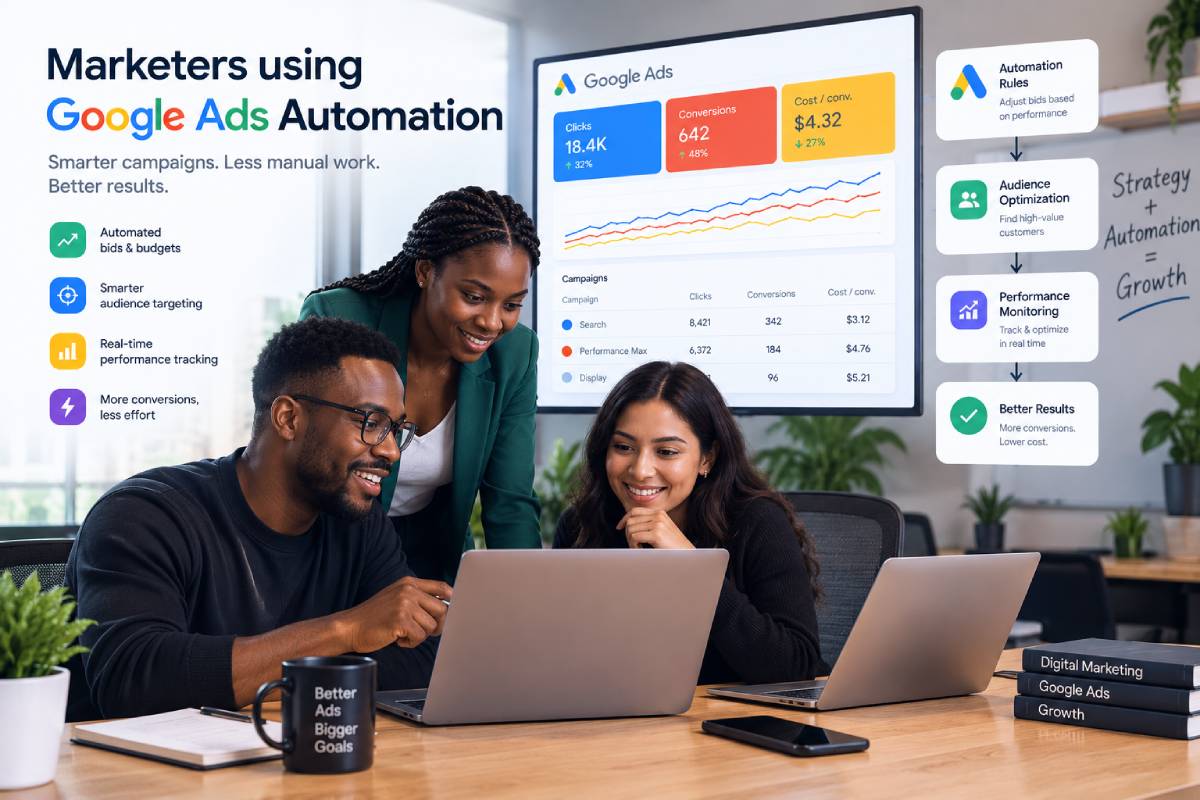
Google Ads now writes copy, sets bids, and chooses audiences with less human input than ever before. For web3 marketers watching this change, a real question follows close behind. If the machine handles the mechanics, what’s left for the person running the campaign?
Automation removed the repetitive parts of the job. It didn’t remove the strategic ones. This piece covers what Google’s automation changed. It shows which tasks still need a human. It also covers how web3 marketers can spend their time where automation still falls short, and which new skills matter more as a result.
_____________________________________________________________
Quick answers – jump to section
- What Google Ads Automation Has Changed
- What Marketers No Longer Need to Do
- Where Human Judgment Still Matters
- Skills Worth Building as Automation Grows
- Where to Focus Time Outside of Paid Ads
- Final Thoughts
- Frequently Asked Questions
_____________________________________________________________
What Google Ads Automation Has Changed
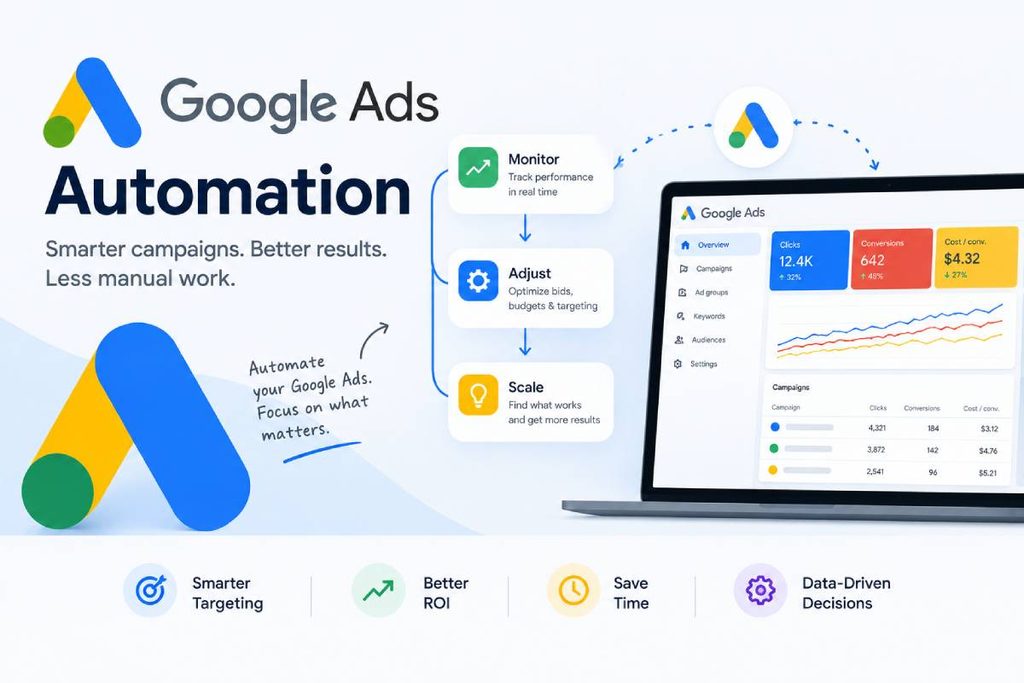
Performance Max and similar tools now handle bidding, placement, and audience targeting across Google’s entire network from a single campaign. A marketer feeds the system creative assets and a goal. The algorithm decides where and when to spend the budget.
This change removed a huge amount of manual guesswork. Split-testing dozens of bid strategies by hand used to eat entire workdays. For web3 teams running lean marketing operations, those time savings matter a great deal.
Small teams are often stretched across content, community, and paid channels at once. Learning how to make Google Performance Max work for web3 specifically has become a real skill in its own right. Default settings rarely fit a niche audience well.
_____________________________________________________________
What Marketers No Longer Need to Do
Manual bid adjustments are largely gone. Keyword-by-keyword optimization has faded too. Broader intent signals now guide the algorithm on their own. Audience segmentation, once built through painstaking manual layering, now happens inside the system based on signals a marketer can influence but rarely control directly.
This isn’t a loss for many teams. These tasks consumed hours without always producing better results than the algorithm now delivers on its own. Web3 marketers freed from this work can redirect that time elsewhere. Strategy, messaging, and the parts of a campaign that still require a human perspective deserve that attention instead.
_____________________________________________________________
Where Human Judgment Still Matters

Automation optimizes toward a goal, but it can’t decide what that goal should be. Choosing the right campaign objective remains a human decision. So does defining what counts as a qualified lead. So does setting realistic budget expectations.
Creative quality also stays a human responsibility. An algorithm can test which ad performs better among the options given. It can’t write a genuinely compelling headline from nothing. For web3 projects, this often shows up in explaining a complex product in plain terms.
Content marketing for stablecoin infrastructure companies covers this skill well. Clarity does more work than clever automation ever could.
_____________________________________________________________
Skills Worth Building as Automation Grows
Data interpretation has become more valuable, not less. Reading a Performance Max report takes real skill. Understanding what the numbers mean for business outcomes, rather than just campaign metrics, separates a strong marketer from one simply watching dashboards. A marketer who can spot a misleading trend in a report earns their keep. That skill matters more than simply checking whether spend hit its target for the month.
This connects to a broader problem worth understanding. Why your marketing reports lie in web3 explains how surface-level metrics often hide what’s really happening with a campaign. Automation can make this pattern worse if a marketer isn’t reading results critically. Building comfort with messy, incomplete data matters more now than knowing how to set a manual bid ever did.
_____________________________________________________________
Where to Focus Time Outside of Paid Ads
As paid campaigns require less hands-on management, many web3 marketers are moving attention toward channels automation hasn’t touched. Organic growth through content and search remains almost entirely a human effort. No algorithm writes a genuinely useful guide from scratch.
Comparing channels is key here. SEO and SEM versus ads for web3 breaks down where each channel earns its keep. This helps teams decide where freed-up time and budget should go. Many teams now use that reclaimed time to build organic assets. Those assets keep working long after a campaign budget runs out.
_____________________________________________________________
Final Thoughts
Google Ads automation didn’t remove marketers from the equation. It removed the repetitive mechanics that never required much judgment in the first place. What’s left is the more interesting part of the job.
That means strategy, creative direction, honest data interpretation, and building channels that don’t depend on an ad budget at all. Teams that lean into this change often end up with stronger campaigns, not weaker ones, since human attention goes where it changes outcomes best.
Web3 marketers who treat this change as an opportunity tend to come out ahead. Spend less time adjusting bids. Spend more time deciding what’s worth testing in the first place.
_____________________________________________________________
Frequently Asked Questions
Does Google Ads automation mean marketers are becoming less necessary?
No. Automation removed repetitive, manual tasks like bid adjustments. Strategic decisions, creative quality, and honest interpretation of results still require human judgment that current tools can’t replace.
What skills should web3 marketers focus on as ads become more automated?
Data interpretation and clear messaging for complex products have both become more valuable. Understanding which metrics matter for business outcomes matters more too, now that automation handles routine campaign mechanics.
Should web3 marketers still learn manual bidding strategies?
Understanding the fundamentals still helps with troubleshooting and setting realistic expectations. Spending significant time manually managing bids offers less return than it once did, given how well automated systems now perform.
Is organic growth more important now that paid ads are automated?
For many web3 teams, yes. Organic channels like content and search remain largely untouched by automation. That makes them a strong place to invest the time and attention freed up from manual ad management.
_________________________________________________________________
Get your free 12-Month Growth Plan Diagnostic here.
Answer a few question to get your blueprint to follow and secure your revenue goals over the next 12-months.
Want to know how we can guarantee a mighty boost to your traffic, rank, reputation and authority in you niche?
Tap here to chat to me and I’ll show you how we make it happen.
If you’ve enjoyed reading today’s blog, please share our blog link below.
Do you have a blog on business and marketing that you’d like to share on influxjuice.com/blog? Contact me at rob@influxjuice.com.
Leave a Reply
You must be logged in to post a comment.