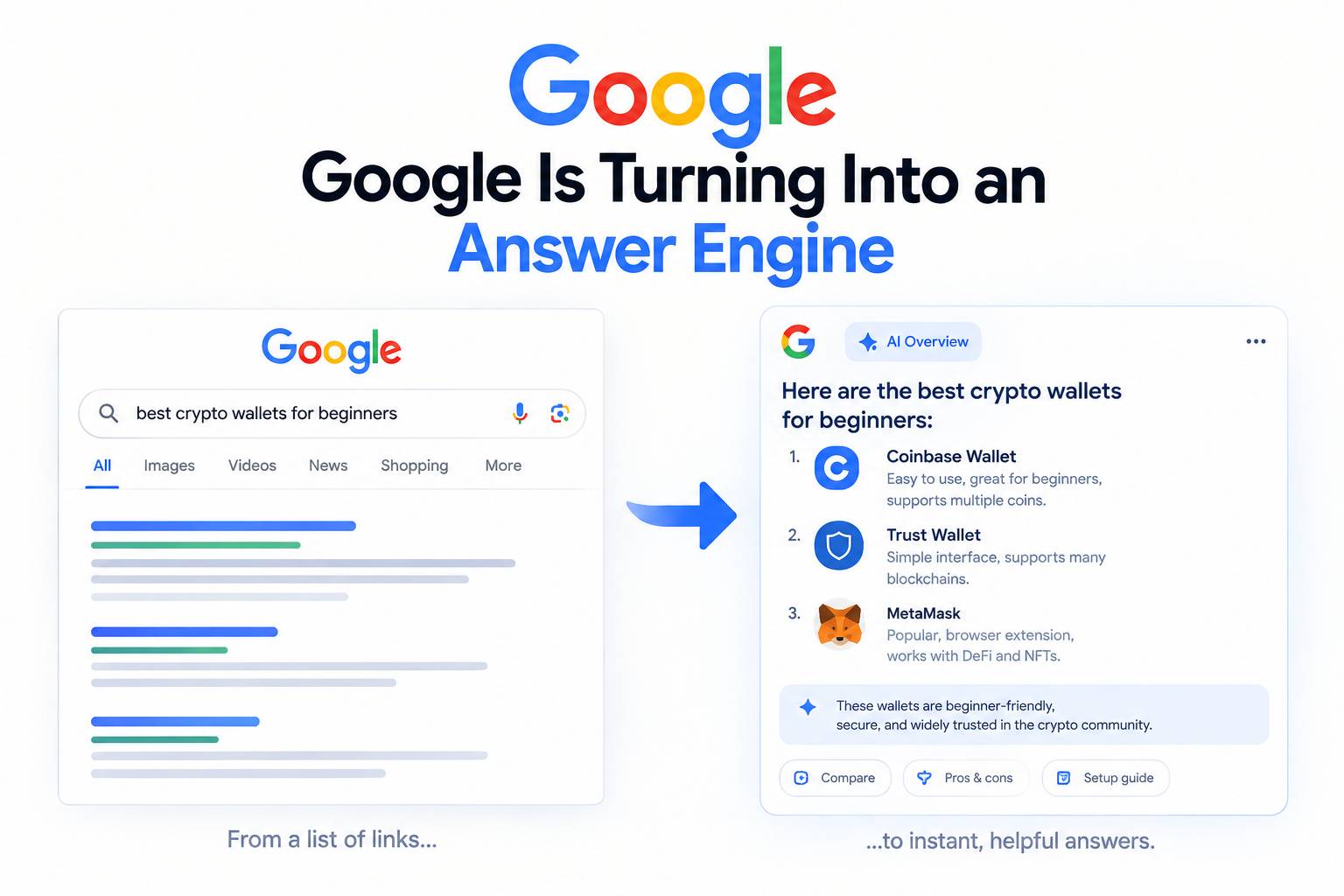


You can write the best DeFi explainers on earth and still get skipped by AI engines. Not because your ideas are bad, but because your page is hard for machines to read. Structured data fixes that. It gives your content labels, like putting names on drawers, so Google and AI tools can pull the right bits with less guessing.
In today’s blog, I will show you the structured data types that tend to help crypto and DeFi sites, how to write FAQ sections that do not sound like spam, and how to format answers so AI engines can quote you without twisting your meaning. You will also see the common questions people keep asking about FAQ schema and AI citations, plus a simple rollout plan you can ship without breaking your site.
_____________________________________________________________
Quick answers – jump to section
- Why AI engines cite some crypto pages and ignore others
- What structured data is in plain English
- The schema types that fit crypto and DeFi sites best
- FAQ schema: when it helps and when it backfires
- How to write FAQ answers AI engines can reuse
- Formatting rules for Web3 pages that want citations
- Common schema mistakes that block citations
- A simple 14-day rollout plan
- Final Thoughts
- Frequently Asked Questions
_____________________________________________________________
Why AI engines cite some crypto pages and ignore others

AI engines want to answer fast. So they pick sources that look easy to quote and safe to repeat. In Web3, that second part is big. Buyers have seen rugs, fake APYs, and ‘guaranteed’ returns. So engines lean toward pages that sound careful, specific, and consistent.
People keep asking online why they get traffic but no AI mentions, or why a smaller site gets cited more. The pattern is boring but useful. Pages with clean headings, short answers near the top, and clear definitions get pulled more often than long opinion pieces. Add structured data and you make that job even easier.
_____________________________________________________________
What structured data is in plain English
Structured data is a small block of code that tells machines what your page is about. Not in a fluffy way. In a label-maker way. It says: this is an organisation, this is a product, this is a FAQ, this is a review, this is a how-to. Then search systems can use those labels to understand your page faster.
Think of it like tagging wallets in your portfolio app. You can still read the transactions without tags, but it takes longer and you miss patterns. With tags, you can sort and filter. Structured data does the same for your content.
_____________________________________________________________
The schema types that fit crypto and DeFi sites best
If you run a DeFi protocol, wallet, exchange, or infrastructure tool, start with the basics. Organisation schema, WebSite schema, and WebPage schema. These help engines connect your brand name, your site, and your pages into one clean entity.
Next, pick one or two page-level types that match what you publish. If you write explainers, Article schema helps. If you publish product pages, Product schema can help. If you publish guides with steps, How To can help. If you publish Q and A sections, FAQ Page schema can help. The key is to match the page. Do not slap FAQ schema on every page like a sticker book.
_____________________________________________________________
FAQ schema: when it helps and when it backfires
FAQ schema can help when your page already has real questions and real answers. It gives engines a neat set of short answers they can reuse. That is why people keep asking on forums if FAQ schema still works for AI Overviews and chat tools. They want a shortcut.
The backfire happens when the FAQ is fake. If the questions are made up, or the answers dodge the point, you look like you are trying to game the system. In crypto, that is a fast way to lose credibility. A good FAQ reads like your support team wrote it after 200 tickets.
_____________________________________________________________
How to write FAQ answers AI engines can reuse
People keep asking the same things across Web3 threads. “Does schema help AI cite you”. “Does FAQ schema still work”. “How many FAQs should a page have”. “Can you add schema without a developer”. “Can you mark up token prices”. “Can you mark up APY”. “Can you mark up audits”. The best answers are short, direct, and careful.
Write each answer so it can stand on its own. Start with the direct answer in the first sentence. Then add one short line that explains the ‘why’. Then add one line that sets a boundary, like a risk note or a condition. That way, if an AI engine pulls only two sentences, it still stays accurate.
If you want a simple way to keep your answers tight, the internal linking habits in content strategy that drove 1100 percent blog growth show the same idea in a content system context.
_____________________________________________________________
Formatting rules for Web3 pages that want citations
First, put the answer early. If the page is about FAQ schema for DeFi, say that in the first 100 words. Then use headings that match how buyers search. Use plain words like ‘fees’, ‘liquidation’, ‘custody’, ‘audits’, and ‘risk’. If you hide behind jargon, engines will skip you.
Second, use small blocks of text. Two to four sentences per paragraph works well. Also use lists for steps and checks. It is easier to quote.
If you want to tighten your overall structure, it helps to build a small set of pages that do clear jobs, like the approach in how 3 simple pages can drive more web traffic.
_____________________________________________________________
Common schema mistakes that block citations
The most common mistake is marking up content that is not on the page. If your JSON-LD says there is a FAQ, but users cannot see the questions, you are asking for trouble. Another common mistake is using the wrong type. A blog post is not a Product. A glossary page is not a How To.
Web3 teams also trip on risky claims. If you mark up ‘returns’ like they are guaranteed, you will scare off serious buyers and raise flags. Keep language careful. If you talk about yield, explain where it comes from and what can go wrong.
If you want examples of safe language that still sells, it helps to look at content built for AI citations, like how to earn AI citations and brand mentions in Web3.
_____________________________________________________________
A simple 14-day rollout plan
Days 1 to 3: Pick 10 pages that already get impressions and fit a clear buyer job. Add Organization, WebSite, and WebPage schema site-wide if you do not have it. Then add one page type per page, based on what it is.
Days 4 to 7: Add FAQ sections only where they are honest. Pull questions from your support inbox, sales calls, and community chats. Then mark them up with FAQ Page schema. Keep answers short and careful.
Days 8 to 14: Test, fix, and publish. Validate your schema, then check Search Console for rich result warnings.
Then run a weekly prompt list and log whether AI answers cite you.
Keep it simple. If you want a second view on measurement that is not just GA, this rundown of Web3 analytics options after Google Analytics is a solid place to start.
_____________________________________________________________
Final Thoughts
Structured data is not a magic trick. It is good labelling that helps machines understand your content. For Web3 sites, that labelling helps engines quote you without guessing, and it helps buyers feel like you are not hiding the ball.
Start with clean basics, add FAQ schema only where it fits, and write answers that can be lifted without losing meaning. Do that, and you give AI engines a clean reason to cite you.
_____________________________________________________________
Frequently Asked Questions
Does FAQ schema still help in 2026?
It can help, but only when the FAQ is real and visible on the page. The code does not replace good content. Instead, it helps search engines understand it more accurately.
If your questions match what buyers ask and your answers are short and clear, engines can reuse them more safely.
How many FAQ questions should I add to a page?
Start with four to eight questions. Pick the ones that block a buyer from taking the next step, like fees, risk, custody, and how the product works.
If you add twenty weak questions, you dilute the page and you look like you are trying too hard.
Can schema make AI engines cite my DeFi protocol?
Schema can increase your chances because it makes your content easier to parse. But citations still depend on the quality of the answer and whether your site looks consistent.
So treat schema as the packaging. The product is still the content.
Should I mark up token prices, APY, or yield?
Be careful. If you publish numbers that change, you need a process to keep them accurate. If they go stale, you will lose credibility.
If you mention yield, explain the source and the risk. Serious buyers want clarity, not promises.
Do I need a developer to add FAQ schema?
Not always. Many sites can add JSON-LD through a plugin or a tag manager. Still, you should validate it and make sure it matches what is on the page.
If you are not sure, get a developer to review it once. It is cheaper than fixing a broken template later.
_________________________________________________________________
Download the free Growth Engine Blueprint here and copy how we generate leads for our clients.
Want to know how we can guarantee a mighty boost to your traffic, rank, reputation and authority in you niche?
Tap here to chat to me and I’ll show you how we make it happen.
If you’ve enjoyed reading today’s blog, please share our blog link below.
Do you have a blog on business and marketing that you’d like to share on influxjuice.com/blog? Contact me at rob@influxjuice.com.
Latest Blogs
- Why YouTube Plays Such a Big Role in Web3 Research and Buyer Confidence
- How to Edit Professional Videos for Your Business on a Budget
- The Fake Podcast Scam: How a LinkedIn Invitation Nearly Put Malware on My Mac
- Why Google Is Turning Into an Answer Engine, and What It Means for Web3 Teams
- Why Web3 Teams Are Turning to Gamma to Build Decks and Docs Faster