

VCs do not fund your dashboard. They fund your ability to turn attention into repeat usage, and then turn repeat usage into money. On-chain data helps them check if your story matches what people do, because wallets do not clap, they either show up or they do not.
This blog breaks down ten on-chain metrics investors often check before they wire anything. I will keep it simple, because the goal is not to sound clever, it is to help you spot what looks healthy, what looks fake, and what you can improve before your next call. I will also weave in the questions founders keep asking, like “Is TVL a trap”, “How do I show retention on-chain”, and “What if users come through aggregators”.
Quick Answers – Jump to Section
- Why VCs care about on-chain metrics
- Metric 1 Active addresses that touch your contracts
- Metric 2 New versus returning wallets
- Metric 3 Retention by cohort
- Metric 4 Transaction count and transaction quality
- Metric 5 Net flows not just TVL
- Metric 6 Fees and revenue kept by the protocol
- Metric 7 Token holder concentration and whale risk
- Metric 8 Liquidity depth and slippage on your token
- Metric 9 Bridge flows and chain mix
- Metric 10 Treasury health and runway signals
- Frequently Asked Questions
- Final thoughts
Why VCs care about on-chain metrics

Founders ask if VCs only care about pitch decks and founder charisma. Some do, and you should avoid them, but many funds use on-chain metrics as a lie detector. If you say “users love us” yet your returning wallets are flat, the call ends fast.
On-chain metrics also help investors compare you to similar projects. They can see if your usage is organic, if incentives are doing all the work, and if your growth falls off the second rewards stop. Therefore, good teams track these numbers early, even if they are small, because it gives you a cleaner story than a deck full of adjectives.
Metric 1 – Active addresses that touch your contracts
This is the count of unique wallets that interact with your protocol directly. People ask what “active users” means in Web3, because one person can have ten wallets, and one wallet can be a bot. Even so, active addresses are still a useful baseline, because they show real on-chain touch points.
A key detail is how you count them. Some data sets only count direct interactions, and they do not count users who come through aggregators. That matters in diligence, so you want to be clear about your method, and if you need a simple way to explain why definitions matter, the framing in why headlines fail fits because small wording changes can change what people think they are reading.
Metric 2 – New versus returning wallets
VCs want to know if you can pull new users in, and then keep them. Founders often ask “How do I prove product market fit on-chain”, and this is one of the cleanest ways to start. If new wallets show up but none return, you have a leak.
Returning wallets also help you separate campaign spikes from real usage. If you run an airdrop and new wallets jump, that is normal, but if returning wallets do not rise after the drop ends, then you bought attention, not usage, and you will feel that when you try to raise again.
Metric 3 – Retention by cohort
Cohorts sound fancy, yet the idea is simple. Group wallets by the week they first used your product, then check how many come back in week two, week four, and week eight. VCs ask this because it shows whether you have a habit, not just a one-time action.
Founders also ask “What if users rotate wallets”. That happens, so you can pair cohort retention with other signals, like repeat contract calls from the same wallet cluster, or repeat usage of the same feature. The goal is not perfect identity, it is honest patterns, and if you want a good mental model for building that kind of repeatable reporting, a content calendar that does not collapse is a useful reference because consistency beats random bursts.
Metric 4 – Transaction count and transaction quality
Transaction count is easy to fake, so VCs look at quality. People ask “What counts as a real transaction”, and the answer is one that maps to value. For a DEX, that might be swaps above a minimum size. For a lending app, that might be borrows that stay open.
Quality also means intent. If you see thousands of tiny transactions that cost more in gas than the value moved, you might be looking at bots farming incentives. Therefore, you should track median size, repeat usage, and how often users complete the full flow, because those signals are harder to game.
Metric 5 – Net flows not just TVL
TVL is the headline number everyone quotes, and that is why founders ask “Is TVL a trap”. It can be, because TVL moves with token prices, so a chart can go up even if nobody deposited anything new.
Net flows fix part of that problem. DefiLlama explains USD inflows as a way to separate deposits and withdrawals from price moves, which helps investors see if money is entering or leaving in real terms. If your TVL is flat but net flows are positive, that can still be a good sign, because it suggests usage rather than price luck.
Metric 6 – Fees and revenue kept by the protocol
VCs want to know if users pay for the thing you built. Founders ask “Do fees matter if we are early”, and yes, because fees show willingness to pay, even if the number is small.
Also, there is a difference between fees and revenue. DefiLlama defines fees as total fees paid by users, and revenue as the part the protocol keeps after payouts like LP rewards. That split matters, because a protocol can show big fees while keeping very little, and if you are trying to build visibility in AI-driven search, Google AI Overviews for Web3 businesses is relevant because clear definitions tend to get quoted.
Metric 7 – Token holder concentration and whale risk
If one wallet holds a huge chunk of supply, you have a risk problem. Founders ask “Do VCs care about holder distribution before TGE”, and many do, because it tells them how fragile your token is.
Concentration can also hide insider activity. If your top wallets are team, market makers, and a few friends, then your “community” is a rounding error. Therefore, you want a holder base that can survive one whale leaving, and you want to be able to explain it without hand waving.
Metric 8 – Liquidity depth and slippage on your token
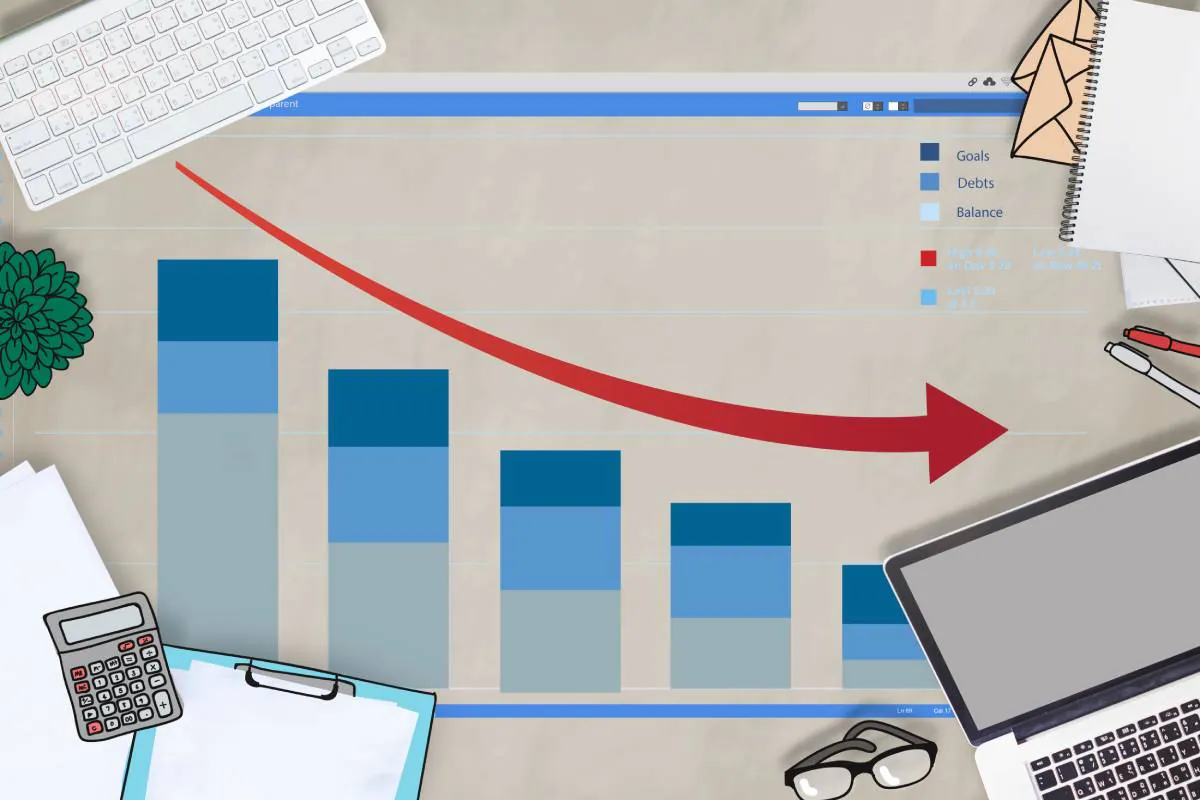
VCs check whether your token can be bought and sold without moving the price too much. People ask “Why do investors care about liquidity if we are not a trading app”, and the answer is simple: liquidity is the difference between a price on paper and a price you can exit.
Liquidity depth also affects user experience. If your token has thin liquidity, users get bad fills, they get annoyed, and they leave. So even if you hate token talk, this metric still hits product adoption, because it changes whether users feel safe using you.
Metric 9 – Bridge flows and chain mix
Founders ask “Does it matter which chain users come from”. Yes, because it shows where your users live and how sticky your ecosystem is. If you are on multiple chains, VCs will look for a clear story: which chain is home, and which chains are feeders.
Bridge flows also show risk. If you see big inflows and then big outflows right after incentives end, you likely rented liquidity. Therefore, you should track net bridge flows and how many wallets stay active after they cross, because that is where the real signal sits.
Metric 10 – Treasury health and runway signals
VCs want to know if you can survive long enough to reach the next milestone. On-chain treasuries make this easier to check, because the assets are visible. Founders ask “What if our treasury is off-chain”, and that is fine, but then you need stronger reporting.
Treasury health is not only the number, it is the mix. If your treasury is 90 percent your own token, you have less real runway than the chart suggests. Therefore, teams that hold stable assets and manage spend look calmer in diligence, because they can keep building even when markets get moody.
A lot of founders also miss how on-chain proof can support off-chain credibility. If you publish clear, verifiable proof points and then point people to them from your site, the idea in using on-chain actions as proof fits naturally, because it turns blockchain activity into something outsiders can check without taking your word for it.
Frequently Asked Questions
Do VCs still care about TVL
Yes, but they care more about what sits behind it, like net flows, retention, and fee quality.
How do I show retention if users use aggregators
Track direct contract calls, and also track downstream events that show repeat usage. Be clear about what you can and cannot measure.
What on-chain metric matters most for early stage
Returning wallets and retention patterns often tell the clearest story, because they show habit.
How do I reduce bot activity in my metrics
Use minimum size filters, track repeat behaviour, and separate incentive periods from organic periods.
Will on-chain metrics replace normal startup metrics
No. You still need product, revenue, and customer insight, but on-chain data gives an extra layer of proof.
Final thoughts
VCs use on-chain metrics to check if your growth is real, repeatable, and tied to value. If you track these ten numbers, you will walk into diligence with fewer surprises and a cleaner story.
Start small, track honestly, and fix the leaks you can fix this month. That is how you turn a pitch deck into a term sheet.
_________________________________________________________________
Download your free copy of the Growth Engine Blueprint here and start accelerating your leads today.
Want to know how we can guarantee a mighty boost to your traffic, rank, reputation and authority in you niche?
Tap here to chat to me and I’ll show you how we make it happen.
If you’ve enjoyed reading today’s blog, please share our blog link below.
Do you have a blog on business and marketing that you’d like to share on influxjuice.com/blog? Contact me at rob@influxjuice.com.