

Mobile banking is now woven into daily life. People transfer money, pay bills, and buy crypto with a swipe. But as convenience grows, so do the tricks of fraudsters. Banks and Web3 projects face a constant challenge: keeping users safe without slowing things down. Artificial intelligence is changing the game, making fraud detection smarter and more reliable for everyone involved.
AI doesn’t just follow old rules. It learns from every transaction, so if scammers switch tactics, the system spots the odd behavior quickly. In the world of Web3 – where money moves at the speed of code and users expect instant results – this real-time protection is vital. Teams that use AI-powered fraud checks are finding that security can finally keep up with innovation.
Quick Answers – Jump to Section
- How AI Spots Fraud in Real Time
- Why Web3 Needs AI for Security
- Real Questions from the Community
- Practical Tips for Web3 Teams
- Final Thoughts
- Frequently Asked Questions
How AI Spots Fraud in Real Time
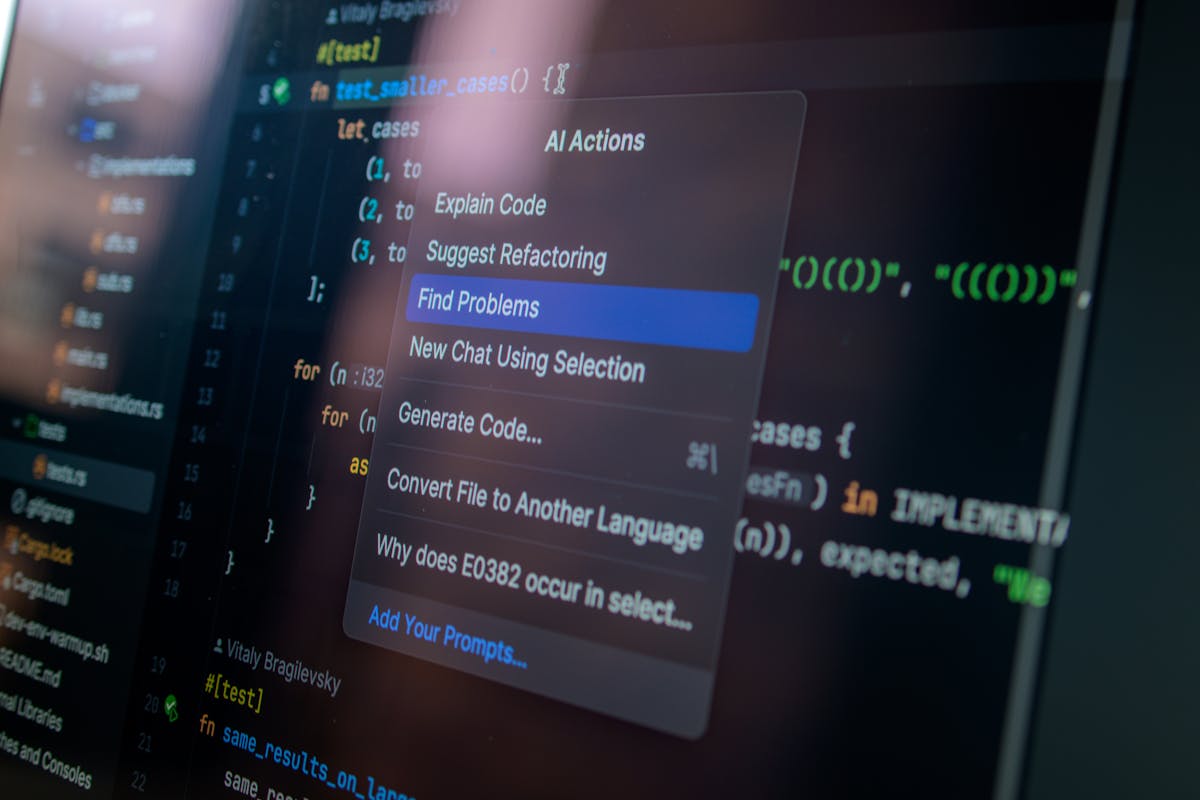
Traditional fraud systems work like traffic cops. They flag anything that looks out of place, but clever criminals find ways around static rules. AI, on the other hand, compares each transaction to millions of others, detecting subtle patterns that a human might miss. If someone tries to move funds in a way that doesn’t fit their usual habits, AI can stop it before damage is done.
Web3 teams are now integrating machine learning models into their platforms. This means that as criminals try new tricks, the system keeps learning and adapting. Some banks have reported a drop in fraud rates by up to 20% after switching to AI. For those building on blockchain, strategies for adapting to these new AI-driven security needs are discussed in detail in resources on future-proofing Web3 marketing for Google AI mode – it’s not just about marketing, but about making your whole platform smarter.
Why Web3 Needs AI for Security
The speed and global reach of Web3 are exciting, but they also mean fraud can spread fast. AI helps by monitoring for risky activity around the clock, without needing a break. It’s always on, always learning. Many founders ask if AI can really keep up with complex DeFi and NFT scams. The answer is yes – AI models can be trained on blockchain data, so they learn what’s normal and what isn’t. As new scams appear, AI adapts, making it much harder for bad actors to succeed.
Another key point is data privacy. People worry that AI might see too much. Modern systems use encryption and privacy tools to keep user data safe, even while scanning for fraud. If you want to understand how this works in practice, a helpful comparison of Web2 and Web3 security approaches can be found in the Web2 vs Web3 security guide, which covers privacy, blockchain, and real-world safeguards.
Real Questions from the Community
People on Reddit and Quora often wonder if AI ever makes mistakes. No system is perfect, but AI gets better with more data. Banks and Web3 projects use feedback loops, so if a real user gets blocked by accident, the AI learns and improves. This reduces false alarms and makes the system more accurate over time.
There’s also curiosity about how fast AI can catch fraud compared to old systems. The answer: AI can spot and stop fraud in seconds, while traditional methods might take hours or days. For teams looking to speed up their results, practical tips are outlined in a guide on proven ways to accelerate Web3 SEO results – the same mindset of efficiency applies to security.
Practical Tips for Web3 Teams
If you’re building a Web3 app, adding AI fraud detection is quickly becoming standard. Start by training your models on your platform’s transaction history, then add industry-wide data. Test your system with real-world scenarios – simulate scams and check if your AI catches them. This approach not only keeps users safe but also builds trust in your brand.
Internal linking is another smart move for growing your project’s authority and helping users find answers fast. With tools like ChatGPT, it’s easy to automate and improve your blog’s internal linking so users and search engines both get the right information quickly. Clear internal links also help your security team by making documentation easier to find.
Final Thoughts
AI is changing how banks and Web3 projects fight fraud. With real-time learning and fewer false alarms, everyone benefits – except the scammers. Security is no longer a hurdle; it’s a reason for users to trust and stick with your app. Teams that invest in smart, adaptive systems are building platforms that can grow safely in an unpredictable world.
If you’re in Web3, now’s the time to double down on AI-powered security. It protects your users and helps your brand stand out for all the right reasons.
Frequently Asked Questions
Q: Can AI stop all types of fraud in mobile banking?
A: AI is excellent at spotting new patterns and blocking many scams, but no system is perfect. It works best when combined with human checks and regular updates.
Q: Does AI protect user privacy in banking apps?
A: Yes, most AI systems use strong encryption and privacy tools to keep user data safe, even while scanning for fraud.
Q: How fast does AI catch fraud compared to old systems?
A: AI can spot and stop fraud in seconds, while old systems might take hours or even days to notice something is wrong.
Q: Is AI expensive for small Web3 teams?
A: Many tools are now affordable, and the cost is often much less than the losses from a single fraud attack.
_________________________________________________________________
Download your free copy of the Growth Engine Blueprint here and start accelerating your leads today.
Want to know how we can guarantee a mighty boost to your traffic, rank, reputation and authority in you niche?
Tap here to chat to me and I’ll show you how we make it happen.
If you’ve enjoyed reading today’s blog, please share our blog link below.
Do you have a blog on business and marketing that you’d like to share on influxjuice.com/blog? Contact me at rob@influxjuice.com.