
Web3 marketers love a new toy. So when AI chat tools started answering questions, a lot of teams quietly panicked and asked the same thing: is Google dead, and should everything move to AI-first content.
This topic matters because Web3 is already hard to explain. If the search channel changes, the cost of getting misunderstood goes up. A confused user does not just bounce. They sign the wrong transaction.
Quick Answers – Jump to Section
- What the stat really means for Web3 teams
- Why people still use Google first
- The Web3 version of “search” is often a safety check
- What people keep asking about Google vs ChatGPT
- What to do next if the goal is more Web3 traffic
- Where AI visibility fits without breaking the plan
- Final Thoughts
- Frequently Asked Questions
What the stat really means for Web3 teams
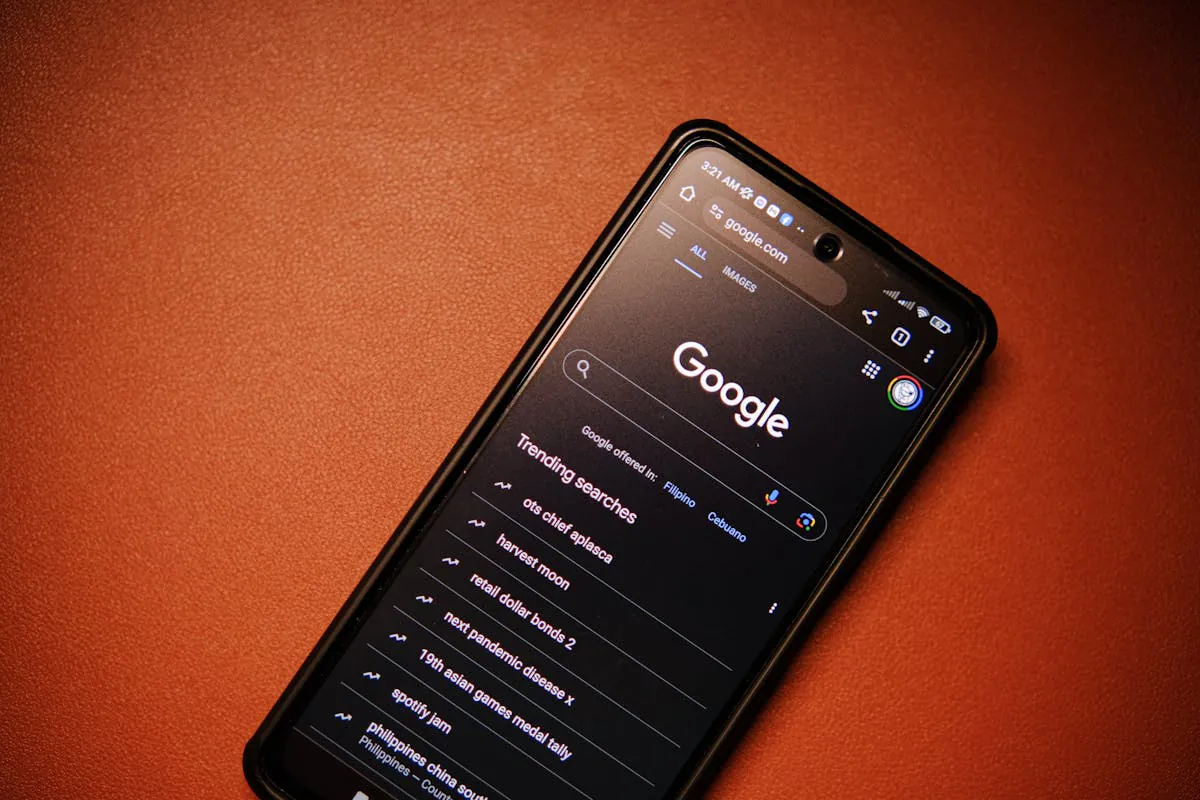
The headline number says most people still prefer Google over ChatGPT for search. That does not mean AI search is irrelevant. It means the default habit is still Google, even for people who already use ChatGPT.
For Web3 teams, that is good news. It means classic SEO still pays the bills, as long as the content answers real questions and you keep the basics tight the way you would when applying Proven Ways to Speed Up Web3 SEO Results across your core pages. It also means AI visibility is a second layer, not a replacement.
Why people still use Google first
A lot of people use Google because it feels safer. They can see sources, compare pages, and decide who to trust. In AI chat, answers can sound confident even when they are wrong, and that makes people cautious.
Web3 users are extra cautious because scams are everywhere. If a tool gives the wrong link, the user can lose money, so it helps when your content is built with clear credibility signals like the ones covered in Building Trust Signals for New Web3 Projects in Search Results rather than vague claims. So it makes sense that people still want a list of results they can check.
The Web3 version of “search” is often a safety check
Many Web3 searches are not curiosity. They are safety checks. People search things like “is this token legit,” “is this bridge safe,” or “why is my transaction stuck.” They want confirmation before they act.
That is why trust signals matter. If a page looks thin, vague, or salesy, it gets ignored. If a page is clear and specific, it gets read and shared, and it also tends to earn links over time instead of getting dragged down by messy link profiles that How to Fix Toxic Backlinks Killing Your SEO warns about.
What people keep asking about Google vs ChatGPT
A common question is whether AI tools will replace SEO. The practical answer is that AI tools still pull from the open web, and they still tend to cite pages that are clear, structured, and trusted.
Another question is how to get cited in AI answers. The simplest approach is to write pages that answer one question well, use plain language, and include proof where possible, then keep your site connected properly using the same thinking behind Master Internal Linking for Better SEO with Link Assistant Tips so your best pages are easy to find.
What to do next if the goal is more Web3 traffic
First, keep publishing pages that match specific intent. If the query is a comparison, write a comparison. If it is a how-to, write a how-to. If it is a question, answer it fast.
Second, make the content easy to quote. Short definitions, clear explanations, and real examples help both Google snippets and AI answers.
Third, treat your most important pages like product pages, even if they are educational. That means you should keep them updated, add screenshots when it helps, and make sure the page answers the question without sending people on a scavenger hunt.
Fourth, build pages that reduce risk for the reader. In Web3, that often means explaining fees, time delays, wallet prompts, and what to do if something goes wrong. If you can prevent one bad transaction, you have done more for trust than any brand slogan ever could.
Where AI visibility fits without breaking the plan
AI visibility is not a separate strategy. It is a quality test. If a page is confusing, AI tools will either ignore it or misquote it.
If a page is clean and specific, it can rank in Google and get cited in AI answers at the same time. That is the sweet spot.
The tricky part is that AI answers can collapse nuance. A careful explanation about a bridge, a wallet, or a token can get reduced to one sentence, and one sentence can be dangerous if it loses the warning labels. That is why your pages should include clear “what this is” and “what this is not” language, plus a short safety note where it makes sense.
Final Thoughts
Google is still the main door for most people. AI chat is becoming a second door, and it is growing, but it is not the only door.
For Web3 teams, the play is simple: keep winning Google with clear intent-based pages, and make those pages so clean that AI tools want to quote them too.
If you want a simple test, pick one page that already ranks and ask a few AI tools to explain it. If they misstate it, the page is not clear enough yet. If they explain it well and point people back to your site, you are in a strong place.
Frequently Asked Questions
Does this mean ChatGPT is not useful for search?
ChatGPT is useful, but many people still prefer Google when they want to verify sources and compare options.
Should Web3 teams stop doing SEO?
No. SEO still drives the majority of traffic for most teams, and it also helps AI tools find and cite content.
How can a Web3 page get cited by AI tools?
Write clear answers, use plain language, and add proof or examples that can be checked.
What kind of Web3 content works best in AI answers?
Pages that answer one question well, especially safety checks, comparisons, and how-to guides.
What is the safest approach right now?
Keep building for Google, then use AI tools as a second channel for visibility and citations.
_________________________________________________________________
Download your free copy of the Growth Engine Blueprint here and start accelerating your leads today.
Want to know how we can guarantee a mighty boost to your traffic, rank, reputation and authority in you niche?
Tap here to chat to me and I’ll show you how we make it happen.
If you’ve enjoyed reading today’s blog, please share our blog link below.
Do you have a blog on business and marketing that you’d like to share on influxjuice.com/blog? Contact me at rob@influxjuice.com.
Latest Blogs
- How to Choose a Payment Processor for SaaS With Global Customers Fees and Compliance Breakdown
- What Founders Get Wrong About Token Launch SEO Before TGE and How to Fix It Early
- CRO for Web3 Is Not a Landing Page Problem
- GEO for Web3: Why Prompt Volume Should Not Run Your Strategy
- How to Use AI for Graphic Design in Web3 Without Losing Your Brand