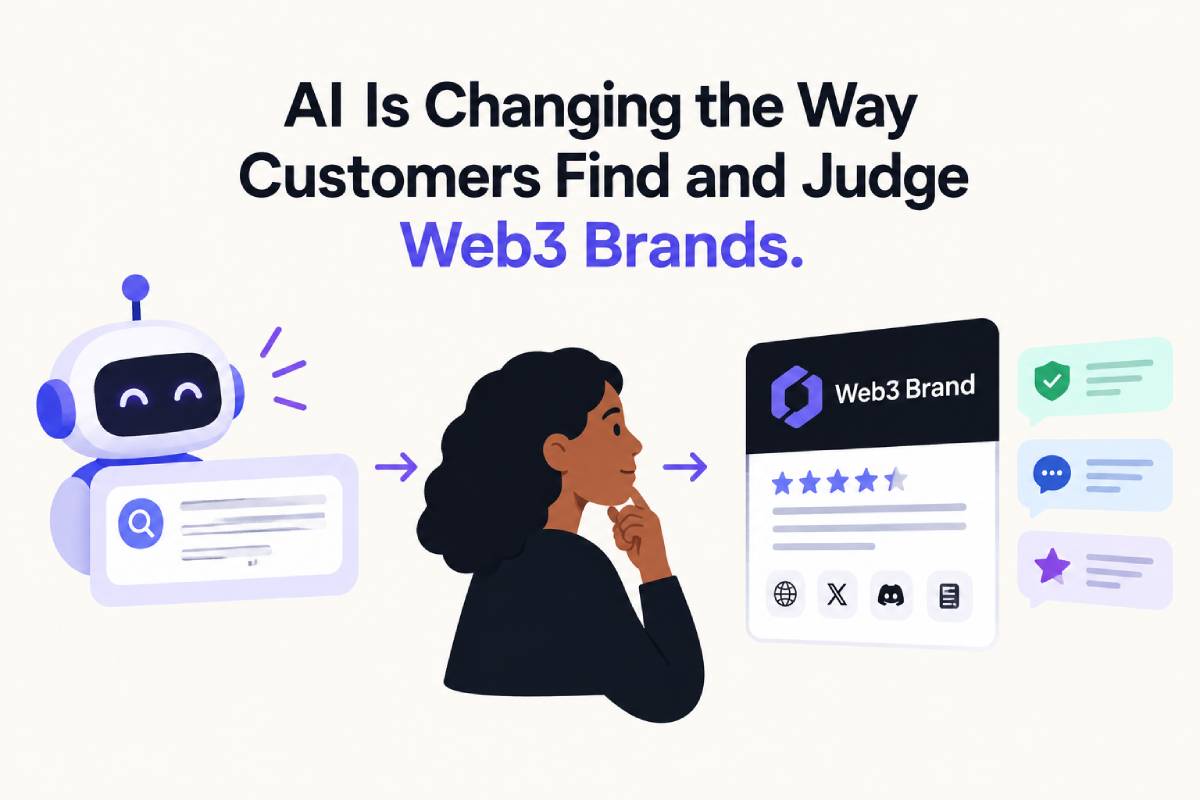


Fintech buyers now ask ChatGPT questions they used to type into Google, and whichever brand gets quoted in that answer wins the click without ever ranking on a search results page.
This post breaks down how fintech companies get picked as sources: structuring content so AI models can quote it correctly, testing messaging the way these models read it, showing up in voice search too, and catching the GEO opportunities most teams miss in their first year.
_____________________________________________________________
Quick answers – jump to section
- Why ChatGPT Optimization Matters for Fintech Now
- How AI Search Differs From Regular Google Search
- What ChatGPT Looks For Before It Cites a Source
- Structuring Content So AI Tools Can Quote It
- Testing Your Messaging the Way AI Models Read It
- Showing Up in Voice and Conversational Search Too
- GEO Opportunities Most Fintech Teams Skip in Year One
- Measuring Whether Your AI Visibility Is Working
- Final Thoughts
- Frequently Asked Questions
_____________________________________________________________
Why ChatGPT Optimization Matters for Fintech Now
A growing share of fintech research starts with a question typed straight into ChatGPT, not a Google search bar.
Someone comparing payment processors or checking how a compliance rule works now asks an AI model first and reads a summary before ever visiting a website.
That summary comes from somewhere, and if it’s not your content, it’s a competitor’s.
Getting cited inside that answer puts your brand in front of a buyer at the exact moment they’re deciding what to look into next, without needing to outrank ten other pages on Google first.
_____________________________________________________________
How AI Search Differs From Regular Google Search
Google search rewards a page that ranks well for a keyword. AI search rewards a page that answers a specific question clearly enough to be pulled directly into a summary. Those two things overlap, but they’re not the same skill.
A page built purely to rank on Google often buries the answer under an introduction, a story, and three paragraphs of context before getting to the point.
AI models tend to pull from content that states the answer plainly, near the top, in language that’s easy to lift word for word into a summary.
_____________________________________________________________
What ChatGPT Looks For Before It Cites a Source
Citations go to sources that show clear expertise and answer a question directly, not sources that talk around it with vague marketing language.
For fintech specifically, that means being precise: exact fee structures, specific compliance requirements, real numbers instead of ranges dressed up as facts.
Original data matters here more than most teams expect. A fintech company publishing its own numbers, on approval rates or settlement times, gives AI models something no other source can repeat, which makes that content worth citing over a generic explainer.
_____________________________________________________________
Structuring Content So AI Tools Can Quote It
Content built for AI citation looks different from a typical blog post.
Clear headers, direct answers near the top of each section, and short paragraphs that stand on their own all make a page easier for a model to extract cleanly.
There’s a detailed breakdown of the specific formatting choices that make content easy for ChatGPT and Gemini to quote in this piece covering exactly that structure. Worth a read before your next content rewrite.
_____________________________________________________________
Testing Your Messaging the Way AI Models Read It
Messaging that reads well to a human doesn’t always read well to a model trying to summarize it.
A line built around clever wordplay or a brand tagline often gets stripped out or misread entirely, while a plain, factual sentence survives the summarizing process intact.
Fintech teams are already running their own messaging through AI models before publishing, just to see how it gets summarized back.
There’s a useful set of prompts built for exactly that kind of check in this piece on validating product messaging this way. A quick step worth adding before anything goes live.
_____________________________________________________________
Showing Up in Voice and Conversational Search Too
AI search overlaps heavily with voice search, since both rely on a model picking one clear answer instead of a list of ten blue links.
A fintech buyer asking a smart speaker or a voice assistant about a payment option gets a single spoken answer, pulled from whichever source sounded clearest and most direct.
There’s a solid look at what people ask their devices about fintech topics in this breakdown of voice search patterns for the industry. Useful context for shaping content that works across both formats.
_____________________________________________________________
GEO Opportunities Most Fintech Teams Skip in Year One
Early-stage fintech teams tend to pour every content resource into traditional SEO and skip GEO work entirely, assuming it’s a later-stage concern.
That gap is exactly where a smaller, faster-moving team can get cited ahead of bigger competitors still catching up.
A specific list of the opportunities fintech startups miss in their first year sits in this breakdown of overlooked GEO moves. Worth checking against your own content calendar early rather than a year in.
_____________________________________________________________
Measuring Whether Your AI Visibility Is Working
Getting cited is only useful if it’s happening in practice, so tracking matters as much as the content work itself.
Check whether your brand shows up when you ask ChatGPT common questions in your space, and track referral traffic coming from AI tools separately from regular search traffic so the difference is visible.
A small, steady increase in AI-sourced traffic over a few months is a better sign of progress than a single lucky citation that never repeats.
Treat it the same way you’d treat SEO: slow, measurable, and worth checking monthly rather than once and forgetting about it.
_____________________________________________________________
Final Thoughts
Getting cited by ChatGPT and similar tools comes down to the same instinct that’s always worked in fintech content: be precise, be direct, and back claims with real numbers instead of vague language.
Structure content so a model can quote it clearly, test messaging before it goes live, and don’t skip GEO just because SEO still feels like the safer bet.
The fintech brands doing this now will be the ones showing up in answers a year from now.
_____________________________________________________________
Frequently Asked Questions
What’s the difference between SEO and GEO for fintech companies?
SEO focuses on ranking a page for a keyword. GEO focuses on making content clear and specific enough for an AI model to quote directly inside a generated answer.
How do I know if ChatGPT is citing my fintech brand?
Ask it common questions in your space directly and check the sources it names. Some analytics tools also now track referral traffic coming specifically from AI platforms.
Does voice search really matter for fintech content?
Yes, and it overlaps closely with AI search, since both formats rely on picking one clear answer instead of a list of results. Content built for AI citation usually works well for voice too.
Is GEO worth prioritizing for an early-stage fintech startup?
Yes. Smaller, newer teams often get overlooked in traditional SEO but can catch up quickly in GEO, since a lot of larger competitors haven’t built for it yet.
Should fintech content include exact numbers instead of ranges?
Whenever possible. Specific, original numbers are harder for an AI model to find anywhere else, which makes that content more likely to get cited over a generic competitor’s page.
_________________________________________________________________
Get your free 12-Month Growth Plan Diagnostic here.
Answer a few question to get your blueprint to follow and secure your revenue goals over the next 12-months.
Want to know how we can guarantee a mighty boost to your traffic, rank, reputation and authority in you niche?
Tap here to chat to me and I’ll show you how we make it happen.
If you’ve enjoyed reading today’s blog, please share our blog link below.
Do you have a blog on business and marketing that you’d like to share on influxjuice.com/blog? Contact me at rob@influxjuice.com.
Latest Blogs
- Why Web3 Teams Are Turning to Gamma to Build Decks and Docs Faster
- Cyber5 Prep for Web3 Brands: Get Your Paid Media Ready Before Costs Spike
- How AI Is Changing the Way Customers Find and Judge Web3 Brands
- BrandJet Review: The All-in-One Outreach CRM We Use at Influxjuice
- How I Fixed a Hacked WordPress Site With 30,000+ Malware Files for $0