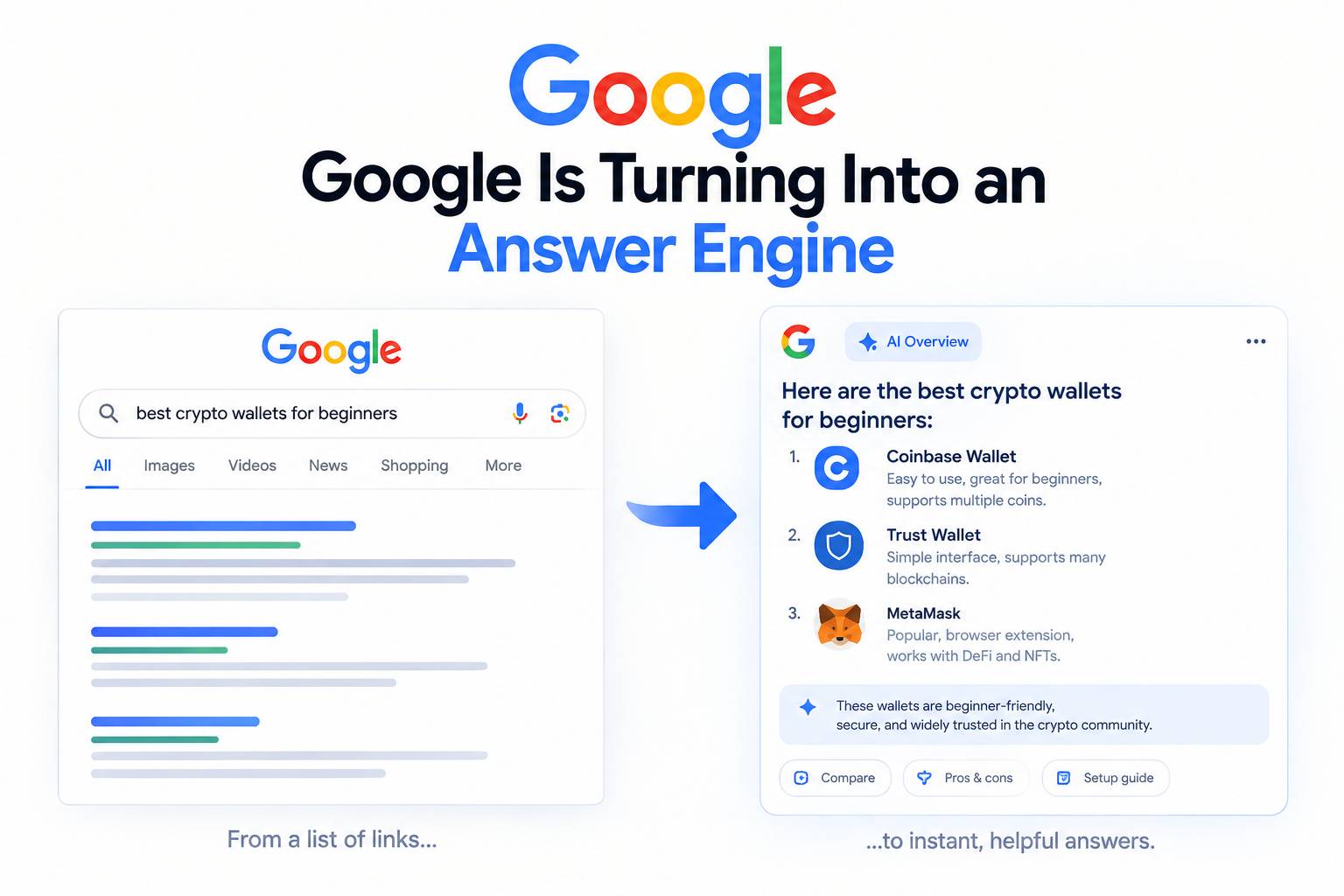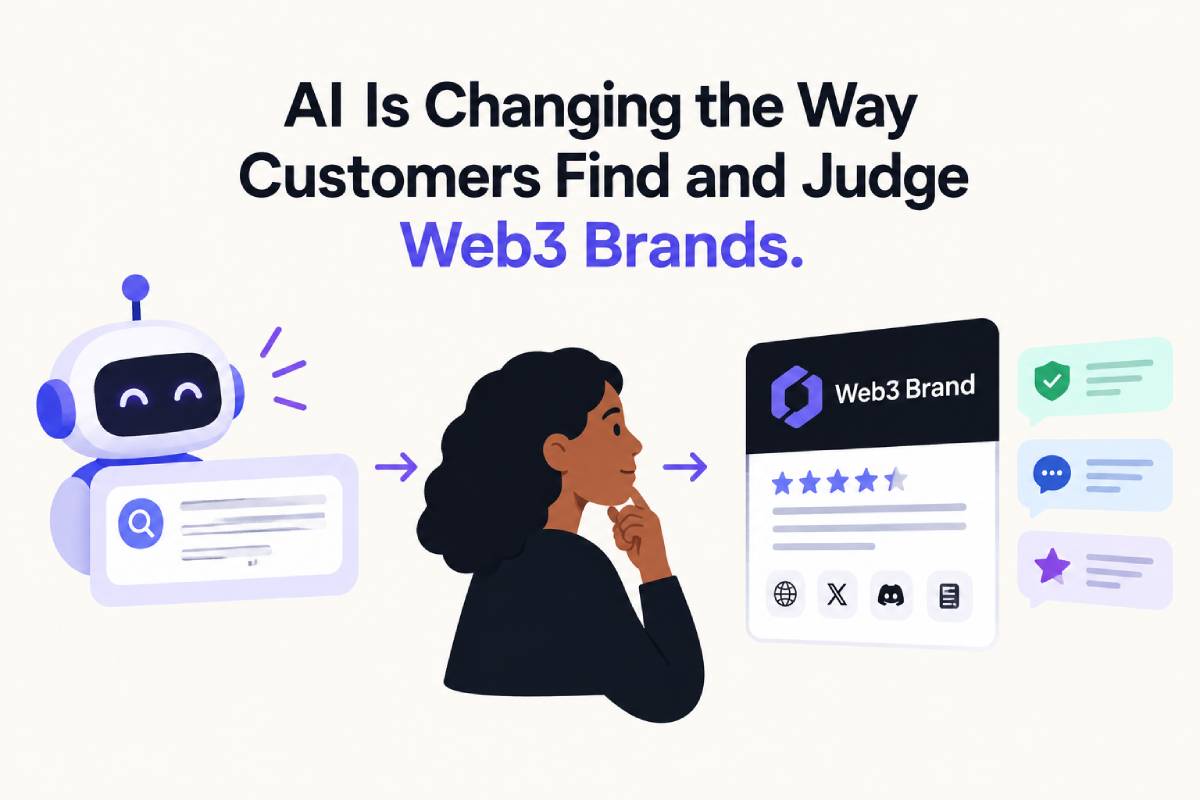


The rapid growth of AI search is expanding the surface area of modern traffic acquisition. ByteDance’s Gauth AI has recently experienced a massive 250% explosion in user queries, quietly becoming one of the most downloaded AI discovery tools on the market.
While mainstream marketers view Gauth strictly as an academic study companion, smart operators recognize it as a live proof-of-concept for how consumer behavior is broadening. High-value buyers are supplementing standard keyword searches with multimodal, visual-first AI retrieval engines.
To capture high-ticket leads across this expanded search ecosystem, your brand infrastructure must optimize for algorithmic discovery to feed both legacy search engines and new AI models simultaneously.
Quick Answers – Jump to Section
- The Shift From Keyword Input to Multimodal Extraction
- How RAG Technology Rewrites Digital Brand Trust
- Formatting Your Assets for Next-Generation AI Crawlers
- What is Your Growth Strategy?
- Frequently Asked Questions
The Change From Keyword Input to Multimodal Extraction
Traditional SEO relies on a predictable user action: a prospect types a deliberate string of words into a search box, and a search engine matches those words to an index. Gauth’s meteoric growth proves that many user’s behavior has evolved past this text-restricted framework.
With advanced computer vision built directly into modern LLM interfaces, users now search by uploading screenshots, snapping photos of complex data, and uploading multi-page PDFs. The AI engine processes the visual context instantly, tokenizes the layout, and synthesizes an answer without the user ever formulating a traditional keyword query.
For high-ticket B2B brands and complex service firms, this means your future clients are scanning industry reports, uploading competitor proposals, and asking AI engines to analyze them. If your data layers aren’t structured to feed these visual-first models, you are entirely left out of the initial consideration loop.
How RAG Technology Rewrites Digital Brand Trust
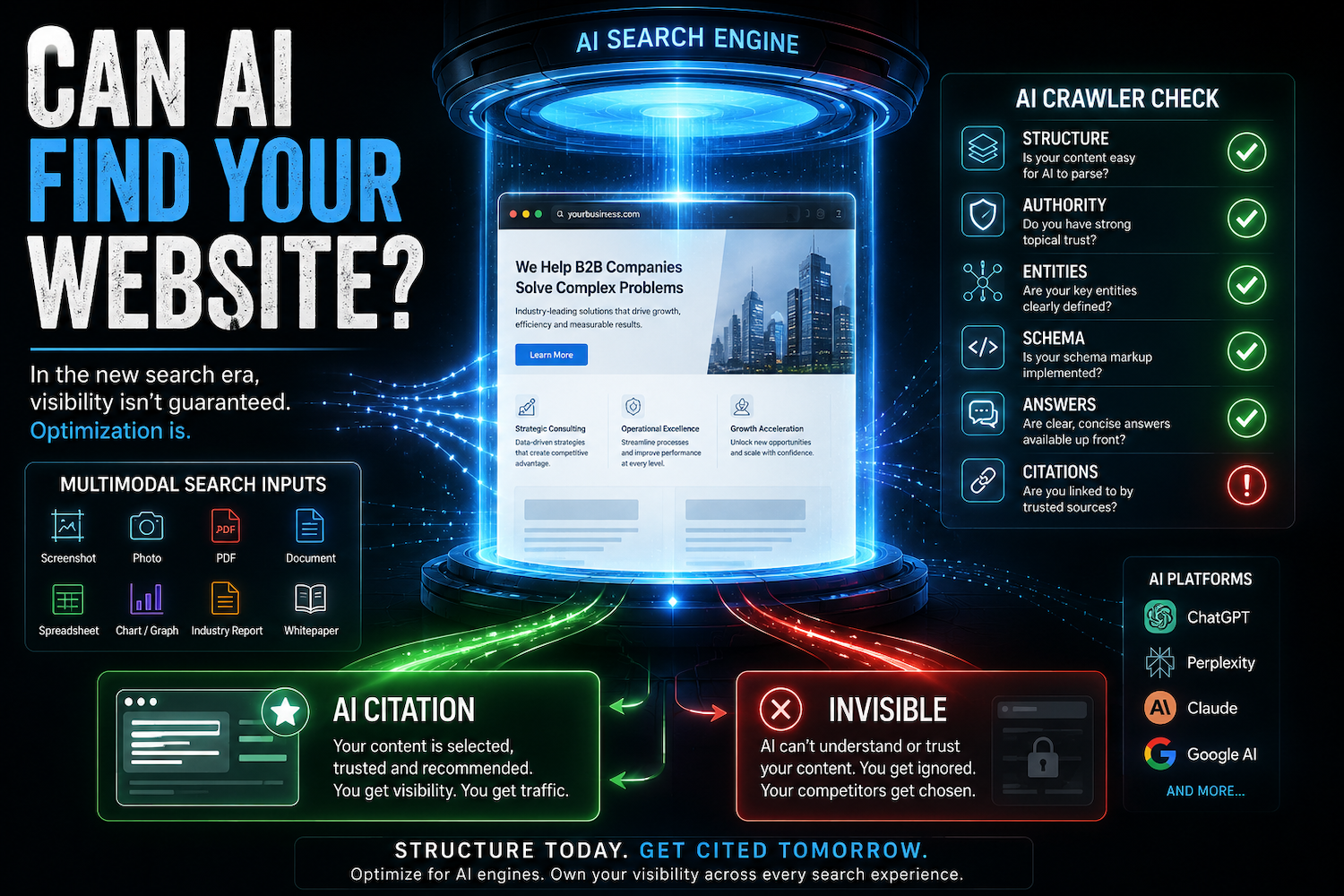
Gauth AI doesn’t just rely on static pre-trained data; it actively utilizes Retrieval-Augmented Generation (RAG). When a user inputs a complex, real-time query, the system instantly scrapes the live web, evaluates current documentation, pulls authoritative references, and compiles an answer complete with inline web citations and an automated bibliography.
This live synthesis completely changes how your website must establish authority. AI engines evaluate web content based on machine readability, precise entity mapping, and structural trust. They prioritize clear, non-commodity data over marketing faff. If your site relies on vague, repetitive blog posts, RAG systems will bypass your domain entirely and cite a competitor who provides tightly structured, definitive, and highly scannable answers.
Formatting Your Assets for Next-Generation AI Crawlers
To ensure your business is consistently chosen and cited by modern generative AI discovery systems, your technical architecture must be fully optimized for machine extraction.
- Deploy Answer-First Content Structures: Lead your resource pages, whitepapers, and core insights with direct, high-density 2-to-3 sentence answer blocks. AI crawlers pull from the top of an asset first; if they cannot extract a definitive summary immediately, they move on.
- Implement Triple Schema Markup: Utilize clean Article, FAQPage, and HowTo structured data schema. This gives AI models explicit signposts showing exactly what your content means, removing any algorithmic ambiguity.
- Keep the Technical Index Flawless: Ensure your site’s
robots.txtexplicitly allows access to the newest generation of data-gathering user-agents, including GPTBot, ClaudeBot, and PerplexityBot.
What is Your Growth Strategy?
As search intent fractures across standard search engines, LLM apps, and multimodal discovery layers, relying on a single traffic acquisition channel is an existential risk to your pipeline. Holding a temporary organic ranking means nothing if the underlying user behavior evolves toward zero-click AI overviews and instant app synthesis.
A sustainable, resilient growth strategy requires intercepting intent across every phase of the digital footprint – from the moment an entity enters autocomplete to the exact millisecond an AI engine selects its live citations.
Take Action to Secure Your Search Real Estate:
If you are ready to completely stop chasing volatile algorithm updates and start monopolizing the high-intent traffic your regional competitors are missing, let’s map out your defensive strategy.
Click here to schedule your exclusive 1-on-1 Growth Consultation with InfluxJuice today. We will run a comprehensive assessment of your brand’s AI search visibility and build a bulletproof roadmap to lock down your market territory.
Frequently Asked Questions
How do AI engines select which websites to cite?
AI systems choose source citations based on a combination of relevance, content structure, and programmatic authority. They look for clean formatting, explicit entity relationships, and verifiably expert information that directly answers the user’s explicit intent without excess faff.
Is traditional search engine optimization dead because of apps like Gauth?
Traditional keyword-stuffed SEO is rapidly losing efficacy. However, technical web optimization is more critical than ever. AI models still rely entirely on crawlable, public web indexes to pull information for real-time synthesis; the presentation layer has changed, but the fundamental need for structured web content remains.
What is the risk of keeping my current content strategy?
If your content relies on generic, high-volume keyword targeting without clear data mapping, your visibility will sharply decline. You risk becoming completely invisible to zero-click interfaces and conversational AI applications that summarize answers for users directly on the search results screen.
Download the free Growth Engine Blueprint here and copy how we generate leads for our clients.
Want to know how we can guarantee a mighty boost to your traffic, rank, reputation and authority in you niche?
Tap here to chat to me and I’ll show you how we make it happen.
If you’ve enjoyed reading today’s blog, please share our blog link below.
Do you have a blog on business and marketing that you’d like to share on influxjuice.com/blog? Contact me at rob@influxjuice.com.
Latest Blogs
- Why YouTube Plays Such a Big Role in Web3 Research and Buyer Confidence
- How to Edit Professional Videos for Your Business on a Budget
- The Fake Podcast Scam: How a LinkedIn Invitation Nearly Put Malware on My Mac
- Why Google Is Turning Into an Answer Engine, and What It Means for Web3 Teams
- Why Web3 Teams Are Turning to Gamma to Build Decks and Docs Faster