

You used to write for Google. Now you also write for machines that talk back. ChatGPT, Gemini, and other AI tools don’t “rank” your page the same way a browser search does, yet they still decide whether to quote you, link you, or ignore you.
If you work in Web3, this gets spicy fast, because your users ask weird questions at 2am like “why is my swap stuck” and “is this token real,” and they want one clean answer, not a history lesson.
Here’s the simple truth: you can’t write one style for humans and another style for AI and expect both to work. You need one piece of content that a tired human can read in 30 seconds, and an AI system can parse in 3 seconds. That means clear headings, direct answers early, and fewer “look at me” paragraphs that say nothing. It also means you stop writing like you’re trying to impress a panel of judges, because your reader is usually stressed, busy, or both.
Quick Answers – Jump to Section
- What People Are Asking About LLM Content
- Why LLMs Treat Your Content Differently Than Google
- The One Rule That Works for ChatGPT, Gemini, and Search
- How to Write So AI Can Quote You Without Mangling You
- Authority Signals Still Matter, They Just Look Different
- What Web3 Teams Should Publish (So You Get Quoted)
- How to Test If You’re Showing Up in ChatGPT and Gemini
- Final Thoughts
- Frequently Asked Questions
What People Are Asking About LLM Content
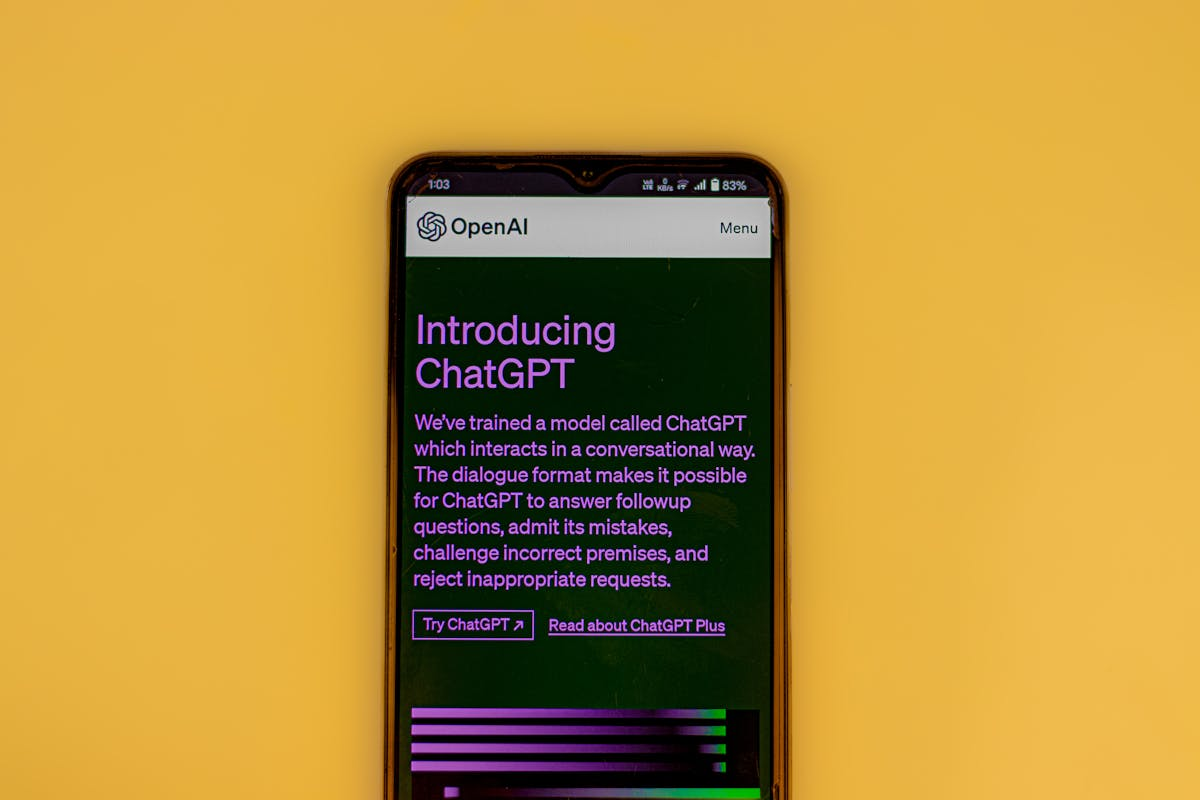
The questions people ask online about this topic are surprisingly practical. They ask things like: “How do I get my site cited by ChatGPT?”, “Do I need different SEO for Gemini?”, “Does schema still matter?”, and “Is this just SEO with a new name?” Web3 folks add their own flavour: “How do I get my docs quoted in AI answers?”, “Why does ChatGPT describe my protocol wrong?”, and “How do I stop AI from mixing up our token with another one?” These are not academic questions. They come from teams who are watching users get answers from AI tools instead of clicking blue links.
People also ask about measurement, because nobody wants another marketing task that can’t be tracked. You’ll see questions like: “How do I know if ChatGPT is sending traffic?”, “How do I test if my content shows up in AI answers?”, and “What should I change first?” The honest answer is you test by asking the same questions your buyers ask, then you look for whether your brand gets mentioned, linked, or copied. If you never show up, your content might be fine for Google, but it’s invisible to AI systems.
Why LLMs Treat Your Content Differently Than Google
Google is a librarian. It points people to books. LLMs are more like a chatty friend who read a pile of books and then tries to explain them from memory. That means they prefer content that is easy to quote and hard to misunderstand. If your page hides the answer halfway down, an LLM might skip it. If your page uses vague language, an LLM might “fill in the gaps” with guesses, and that’s how your product gets described in a way that makes you wince.
This hits Web3 harder because details matter. A single wrong network name, a mixed-up token ticker, or a confused definition of “staking” can cause real damage. If your content is clear, you reduce the odds of AI making things up about you. If your content is messy, you’re basically handing AI a box of Lego and hoping it builds a bicycle.
The One Rule That Works for ChatGPT, Gemini, and Search
Answer the question fast, then earn the right to explain. That’s it. If your H2 says “What is account abstraction?” the first two sentences should answer it in plain words. After that, you can add detail, examples, and edge cases. This format works for humans because they get relief quickly, and it works for LLMs because they can grab a clean snippet without guessing.
This is also why your headings matter more than you think. Headings are like signposts for both humans and machines. If your headings match real questions, you’re easier to quote. If your headings are cute but unclear, you’re harder to use. For Web3, that means headings like “Why is my transaction pending?” beat headings like “Understanding transaction finality,” even if the second one sounds smarter.
How to Write So AI Can Quote You Without Mangling You
First, use simple definitions and consistent terms. If you call the same thing “protocol,” “platform,” and “product” in one article, an LLM may treat them as different things. Pick one term and stick to it. Second, use examples that look like real life. “Alice sends USDC on Base” is clearer than “a user transfers a digital asset.” Third, add small clarifiers that stop confusion, like “This is not financial advice” or “This is different from a bridge,” when you know people mix terms up.
Next, make your content easy to scan. You don’t need a content list, but you do need structure. Short paragraphs, clear headings, and direct answers help both humans and AI systems. If you want to go further, winning in AI search results often comes down to being the clearest source on a specific question, not the loudest.
Authority Signals Still Matter, They Just Look Different
People keep asking if “authority” still matters in an AI world. Yes, but it’s less about bragging and more about being verifiable. LLMs tend to trust content that looks stable, consistent, and widely referenced. For Web3, that means your docs, blog, and public explanations should agree with each other. If your blog says one thing and your docs say another, AI tools may mash them together into a third thing that nobody wrote.
This is where internal linking stops being a nerd hobby and becomes damage control. When your pages connect cleanly, you guide both humans and crawlers to the right context. If you want a practical way to tighten that up, mastering internal linking for better SEO helps you build a site that feels like one story, not a pile of random posts.
What Web3 Teams Should Publish (So You Get Quoted)
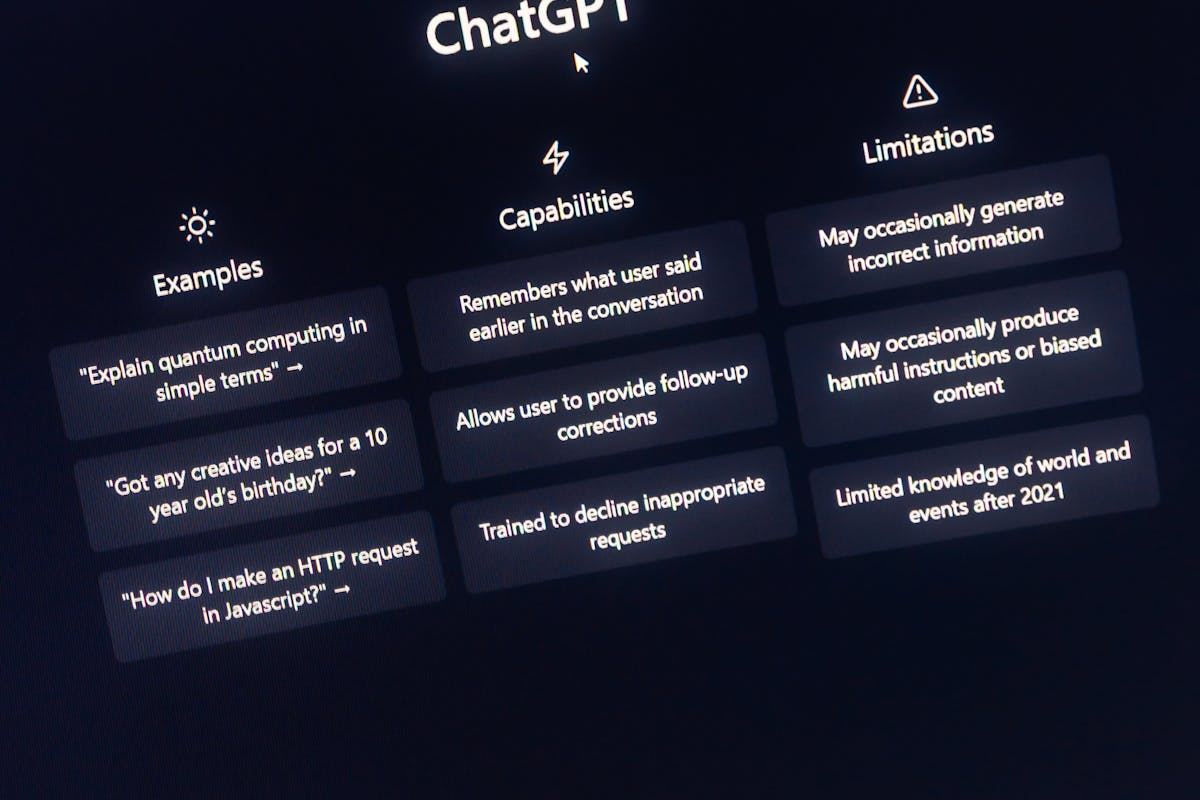
Web3 teams often publish big thought pieces and forget the boring pages. Meanwhile, users ask boring questions that decide whether they trust you. Pages like “fees explained,” “bridges vs swaps,” “how to avoid fake token addresses,” and “what to do if a transaction is stuck” are the pages AI tools love to quote, because they match real questions. If you don’t publish them, AI will quote someone else, and you’ll still get blamed when the answer is wrong.
You also want pages that reduce support load. If your support team answers the same question 50 times a week, that question deserves a page. Then you keep that page updated, because stale answers in Web3 age like milk. If you care about speed, getting faster SEO results in Web3 often starts with shipping the pages users already need, not hunting fancy keywords.
How to Test If You’re Showing Up in ChatGPT and Gemini
People ask this a lot because it feels like a black box. The simplest test is manual: write down 10 questions your buyers ask, then ask them in ChatGPT and Gemini. Look for three things: does your brand get mentioned, does your site get linked, and does the answer match what you actually believe. If you see wrong answers, that’s a clue your content is unclear, inconsistent, or missing.
After that, tighten the pages that matter most. Fix definitions, add examples, and remove faff. Then connect related pages so the context is harder to miss. If you want to reduce the risk of AI making up nonsense about you, protecting your Web3 brand from AI hallucinations is not a nice add-on, it’s basic hygiene.
Final Thoughts
Writing for ChatGPT, Gemini, and browser search together is not a new job title. It’s the same job, done with more care. You still answer real questions, you still earn trust, and you still make it easy for a human to understand. The difference is that now an AI tool might repeat your words to thousands of people, so unclear writing can spread faster than your best marketing.
If you work in Web3, treat your content like product. Make it clear, keep it consistent, and write like your reader is smart but busy. Do that, and you give Google something to rank, you give AI something to quote, and you give users fewer reasons to panic in public.
If you want your brand to show up inside ChatGPT and Gemini answers (and get quoted for the right reasons), you need a repeatable system for what you publish, how you structure it, and where you distribute it. Fortunately, we show you how to do this in our Growth Engine Blueprint. It’s the exact framework we use to build onsite authority, publish the pages people ask AI about, and earn the citations that turn into leads.
Get your copy of the Growth Engine Blueprint here.
Frequently Asked Questions
Do I need separate content for Google and ChatGPT?
No. You need one clear page that answers the question fast, then adds detail. If you write cleanly, both systems can use it.
How do I get cited by ChatGPT or Gemini?
Write pages that match real questions, answer directly near the top, use consistent terms, and build a site where related pages connect logically.
Does schema matter for LLM optimization?
It can help machines understand what a page is about, but it won’t save unclear writing. Clear structure and direct answers do more work.
Why does AI describe my Web3 product wrong?
Usually because your content is vague, inconsistent across pages, or missing the exact page that answers the question users are asking.
What should a Web3 team publish first for LLM visibility?
Start with the pages that answer support questions and buyer questions: fees, safety, common errors, and simple definitions that stop confusion.
_________________________________________________________________
Download your free copy of the Growth Engine Blueprint here and start accelerating your leads today.
Want to know how we can guarantee a mighty boost to your traffic, rank, reputation and authority in you niche?
Tap here to chat to me and I’ll show you how we make it happen.
If you’ve enjoyed reading today’s blog, please share our blog link below.
Do you have a blog on business and marketing that you’d like to share on influxjuice.com/blog? Contact me at rob@influxjuice.com.
Latest Blogs
- 5 Key Data Metrics That Predict Future Business Revenue
- Complete Guide to Answer Engine Optimization for Modern Brands
- How to Build Your Audience with a Constant Contact Starter Email
- How to Build High-Impact, Internal Linking Content Hubs That Drive Real Growth
- MetaMask Web3 Wallet in 2026: How Blockaid & Auto-Switching Changed the Game