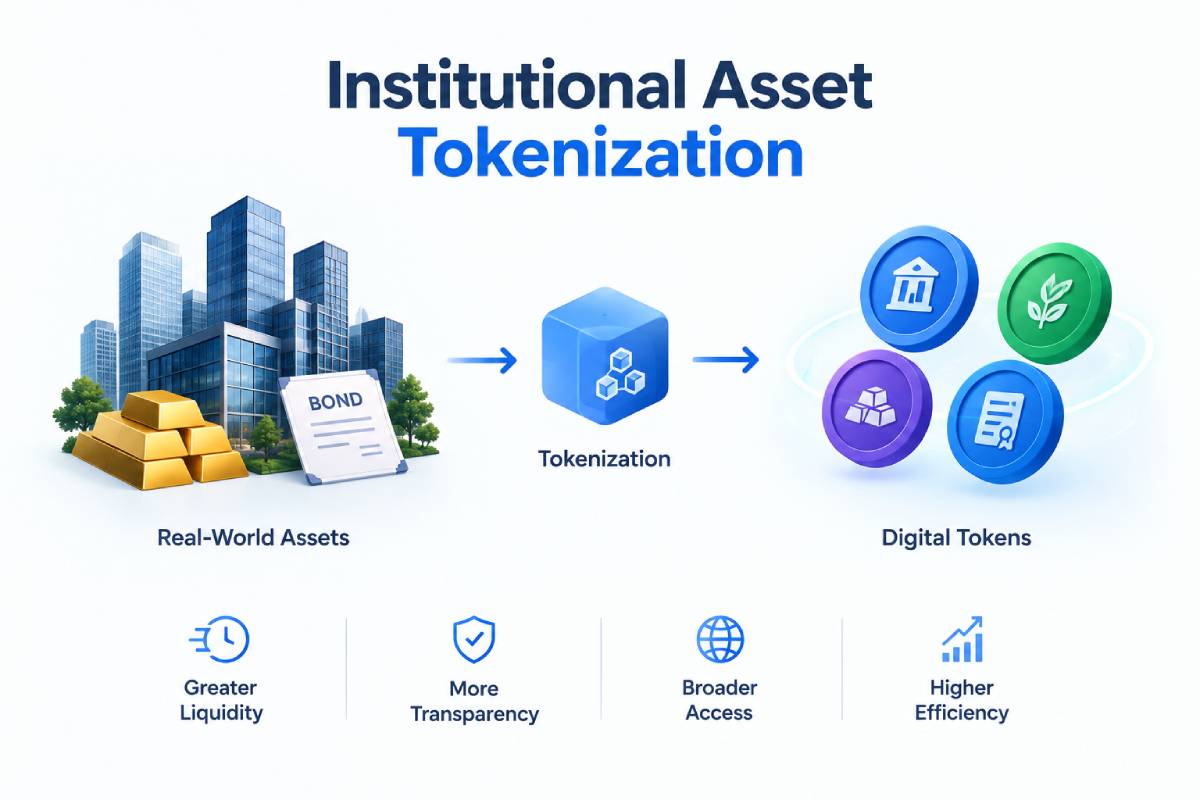


Crypto wallets are like the front door to Web3, but many people never step inside. Teams everywhere wonder why so many users start onboarding and then vanish. On Reddit, Quora, and in every LLM-powered chat, the same questions keep popping up: “Why is wallet setup so confusing?” and “How can I help people finish the process?” The answer isn’t magic. It’s all about making the onboarding flow simple, friendly, and clear from the very first screen.
If the process feels like a puzzle, users will leave. If it feels safe and simple, more people will finish. Every step should guide users gently and help them feel at home. The best onboarding flows are built for real people, not just crypto pros. Anyone building in Web3 knows that getting this right is the difference between a wallet people use and one they forget.
Quick Answers – Jump to Section
- Start With a Friendly Introduction
- Make Account Creation Simple
- Explain Security Without Fear
- Use Progress Indicators and Clear Steps
- Offer Help Without Making Users Leave
- Test, Learn, and Improve
- Make It Fun and Rewarding
- Final Thoughts
- Frequently Asked Questions
Start With a Friendly Introduction
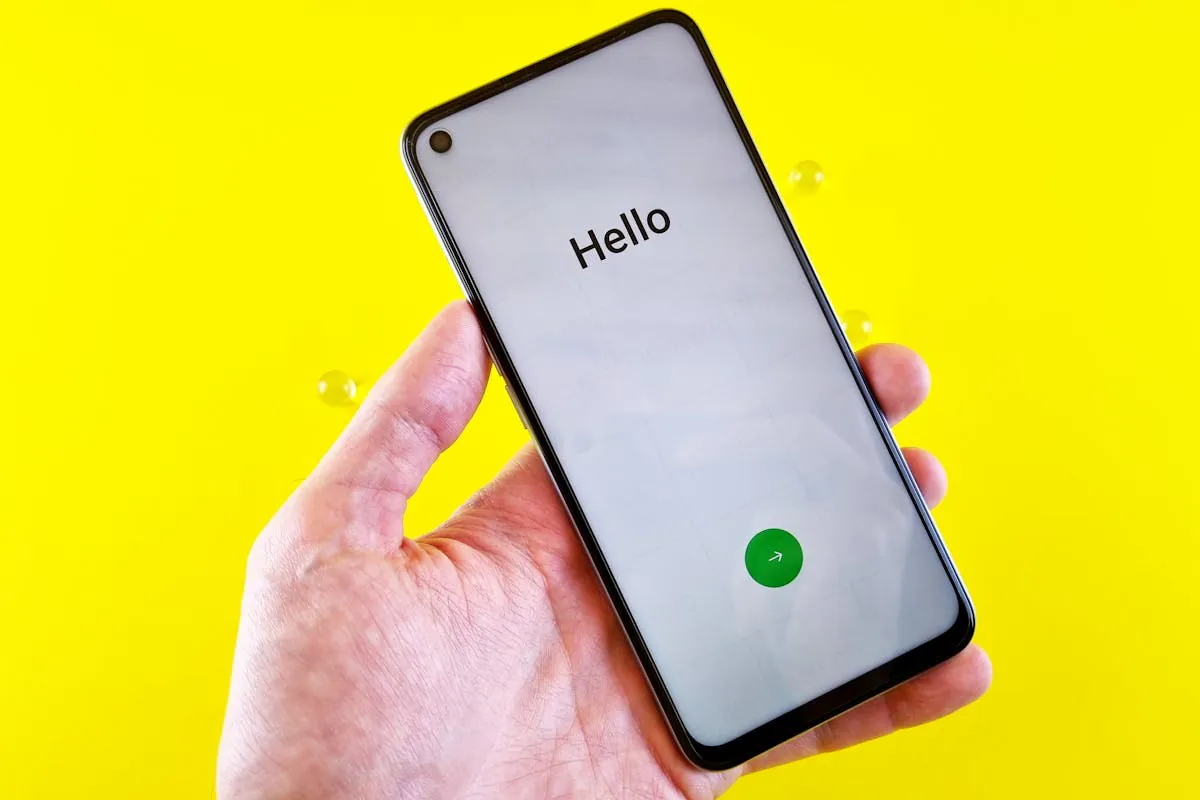
First impressions matter. Welcome new users with a short, clear message. Let them know what the wallet does and what’s coming next. Skip the jargon. Use simple words and keep it brief. For example: “Welcome! You’re about to set up your wallet. It only takes a minute.”
A lot of people worry they need to be crypto experts before they start. Good onboarding answers this right away – no special knowledge needed. A quick animation or a few friendly words can help anyone feel ready, even if it’s their first time. The best teams know that building trust starts with a friendly hello, not a wall of instructions.
Make Account Creation Simple
Account creation is the spot where many users give up. Too many steps or confusing directions send people running. Use big, easy-to-read buttons, and show one step at a time. Ask for a password, then move to the next step. Don’t dump everything on one screen.
Questions like “Why do I need a recovery phrase?” come up all the time. Explain each step in plain language and give a reason for every request. If you ask for a recovery phrase, add a short, friendly tip about why it matters, not a scary warning. Clear, direct language helps users feel confident instead of nervous.
Explain Security Without Fear
Security should help, not scare. People want to keep their money safe, but they don’t want to feel like they’re about to mess up. Use positive words and show how easy it is to protect their wallet. Tips work better than threats.
If your wallet uses a backup phrase, give users a safe spot to write it down. Some onboarding flows add a quick quiz to check that users saved their phrase. This makes the process feel more like a game than a test. Teams that add a playful touch, like simple quizzes, often see better retention. Many Web3 projects have found that the strategies in How to Ride Crypto Gaming Surge can be adapted to make onboarding more engaging.
Use Progress Indicators and Clear Steps
People like to know where they are and what’s left to do. A progress bar or step numbers help users see the finish line. If a step takes longer, let users know what’s happening. Waiting without updates makes people uneasy.
Every instruction should be short and direct. If something needs more explaining, use a tooltip or a quick pop-up. Long paragraphs slow everyone down. Clear steps keep users moving forward. Smart UI design is a big reason why Web3 projects with strong onboarding see higher retention and happier users.
Offer Help Without Making Users Leave
Getting stuck happens, but nobody wants to leave the flow to find help. Add simple help buttons, live chat, or quick FAQs right inside the wallet. Answer the big questions: “What if I lose my password?” or “Can I get my wallet back?”
Community support is a bonus. Invite users to join a Discord or Telegram for tips and help. Projects that build loyal fans often start by making support easy to find. In fact, NFT-based loyalty programs have shown that strong communities keep users engaged even after onboarding.
Test, Learn, and Improve
No onboarding flow is perfect from the start. Track where users drop out and ask for feedback. Use this info to fix confusing spots and make things smoother. Even small changes, like changing a button’s text, can help more people finish.
Teams who keep testing and improving their onboarding build stronger communities. Feedback loops are vital. For example, optimizing your project’s presence on Reddit brings in new users and helps refine onboarding based on real questions and feedback. When users feel welcome and heard, they stick around.
Make It Fun and Rewarding
Gamification isn’t just for games. Adding small rewards or playful moments during onboarding makes the process less stressful. A badge for completing setup, a friendly animation, or a simple progress celebration can make a big difference.
Web3 projects that use gamification often see higher engagement. When users feel a sense of achievement, even for small steps, they’re more likely to finish what they started. This approach works well for wallets and for other Web3 products that want to keep people coming back.
Final Thoughts
A good crypto wallet onboarding flow is simple, friendly, and clear. Every step should make users feel smart and safe. By breaking tasks into small pieces, using positive words, and offering help, teams turn new faces into loyal fans.
The goal is to make Web3 easy for everyone, not just tech experts. The right onboarding flow brings people in, builds trust, and keeps them coming back. Teams who focus on clarity, support, and a little fun will see fewer users dropping off and more users sticking around.
Frequently Asked Questions
Q: Why do so many people drop off during wallet onboarding?
A: Most leave because the process is confusing or feels risky. Clear steps and friendly words help more people finish.
Q: How can I explain recovery phrases without scaring users?
A: Use simple language and tips, not warnings. Show why the phrase is helpful.
Q: What’s the best way to offer help during onboarding?
A: Add help buttons, live chat, or FAQs right inside the flow so users never have to leave.
Q: How often should onboarding flows be updated?
A: Check where users leave and update the flow often to fix problems.
_________________________________________________________________
Download your free copy of the Growth Engine Blueprint here and start accelerating your leads today.
Want to know how we can guarantee a mighty boost to your traffic, rank, reputation and authority in you niche?
Tap here to chat to me and I’ll show you how we make it happen.
If you’ve enjoyed reading today’s blog, please share our blog link below.
Do you have a blog on business and marketing that you’d like to share on influxjuice.com/blog? Contact me at rob@influxjuice.com.
Latest Blogs
- Why Web3 Teams Are Turning to Gamma to Build Decks and Docs Faster
- Cyber5 Prep for Web3 Brands: Get Your Paid Media Ready Before Costs Spike
- How AI Is Changing the Way Customers Find and Judge Web3 Brands
- BrandJet Review: The All-in-One Outreach CRM We Use at Influxjuice
- How I Fixed a Hacked WordPress Site With 30,000+ Malware Files for $0