
For years, the goal was simple. Rank on Google. Get traffic from search.
Google still brings buyers from search. It’s just not the only place they search now.
Right now, your customers search in three different ways.
Quick answers – jump to section
- The new three-engine search habit
- The three-search test
- Why most brands stay invisible
- The Growth Trifecta fix
- A simple 7-day starter plan
- What to do next
- Final Thoughts
- Frequently Asked Questions
The new three-engine search habit
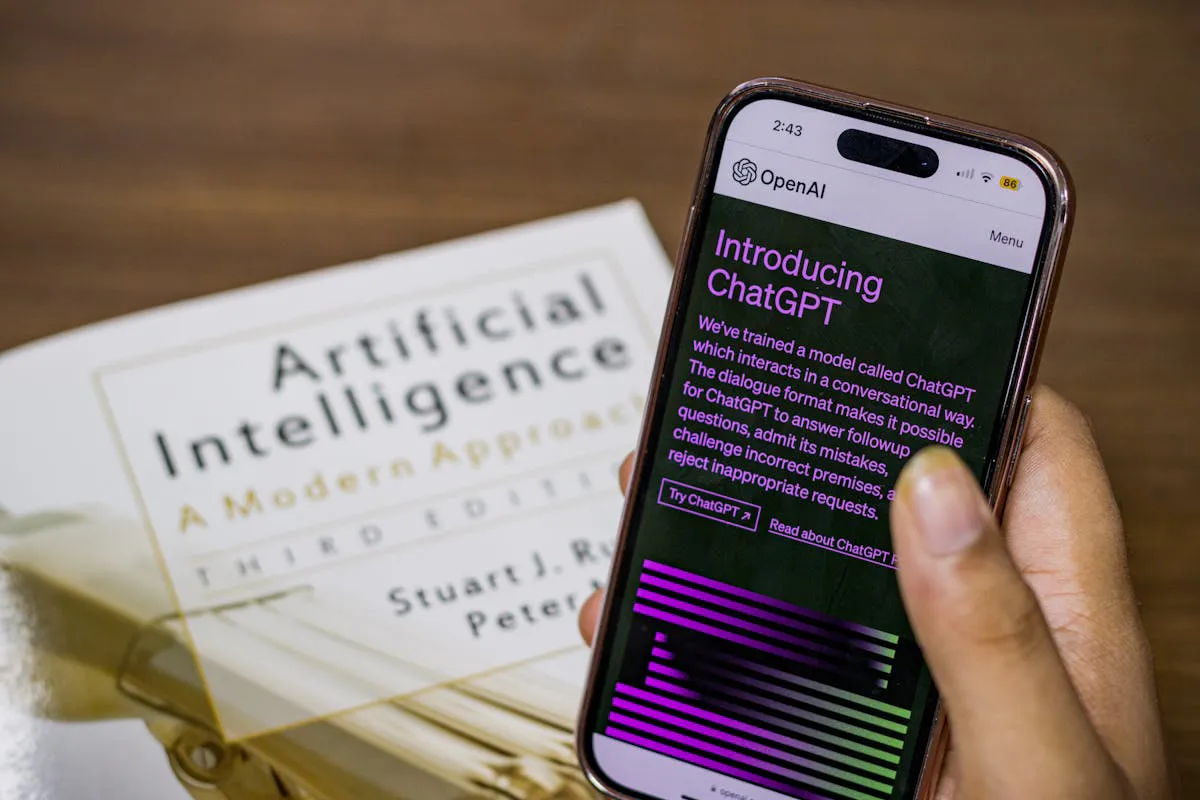
Your buyers now use three engines to get answers.
On Google, SEO decides who shows up.
On Perplexity and Gemini, GEO decides who gets cited.
On ChatGPT, AEO decides who gets recommended.
Most brands optimise for one. The ones pulling ahead cover all three.
The three-search test
You can check your current visibility in five minutes.
Search your main keyword on Google. Are you on page one. If not, your SEO base needs work first.
Then ask Perplexity: What is the best [your solution] for [your customer]. Are you cited?
Ask ChatGPT the same question. Are you recommended?
Three searches. Three honest answers.
The majority of teams find they are missing in at least two.
Why most brands stay invisible
Most teams do not have a visibility problem. They have a clarity problem.
Their site tries to speak to everyone. Their pages do not match the search intent. Their proof is thin. Their message changes depending on where you find them.
Then they try to fix it by posting more. That creates more pages, more claims, and more confusion.
If you want the baseline on how we think about this shift, this post on GEO basics gives you the simple version.
The Growth Trifecta fix
This is the order we use to close the gap. You will get a taste of the method here, not the full playbook.
1) Foundation
Start with one page that should bring leads. Usually it is your main solution page.
Make it clear what you do. Make it clear who it is for. Make it clear what result you help them get.
Then remove friction. Speed up the page. Cut repeated sections. Add one clear next step.
A simple check is this: if a smart buyer lands on the page, can they tell what you sell in ten seconds. Can they tell what happens next.
If Google struggles to read your main page, the other engines will struggle too.
2) Signals
Now add proof. No vague claims. Proof.
Add details that show you are real and specific. Use numbers, examples, and claims you can stand behind.
Keep the same message across your site and profiles. If your story changes from page to page, engines do not know what to cite.
This is also where you make your content easy to quote. Use short definitions. Use clear headings. Answer the question fast, then add detail.
If you want a practical view of what engines look for, this post on LLM optimisation shows the patterns.
3) Distribution
Now earn repeated mentions in places that already rank and get read.
Publish as many offsite pieces as you can that point back to your best page. Keep the message consistent.
Distribute these pieces onto the sites and social networks that your buyers already use. Then show up there often.
Distribution is about repetition of the same clear story, in places that already have attention.
If you want the offsite angle, this post on off-site GEM explains the approach.
A simple 7-day starter plan
You do not need a full rebuild to start seeing movement. You need one clean page, one clear story, and a few repeat mentions.
Day 1. Pick your main keyword and your main page. Make sure the page matches what the searcher wants. If they want a comparison, do not give them a brand story.
Day 2. Rewrite the first screen of the page. Say what you do in one line. Say who it is for. Add one proof point.
Day 3. Add a short section that answers the top question your buyers ask. Keep it simple. Then add a second section that handles the main objection.
Day 4. Add proof blocks. Use a case study, a short result, a quote, or a clear process. Do not add vague claims.
Day 5. Write one offsite piece that answers one question your buyers ask. Point it back to the page you fixed.
Day 6. Write a second offsite piece. Keep the message the same. Change the example, not the claim.
Day 7. Run the three-search test again. Track what changed. If you are cited but you do not get clicks, your page is not doing its job.
If you want a clean way to track progress, this post on measuring GEO success breaks down what to watch.
What to do next
Run the three-search test. Write down where you are missing.
If you want, we can run a full Growth Trifecta check and show you the first fixes. You will know what to change first, and what can wait.
Final Thoughts
Three engines means three chances to be picked, and three chances to be ignored.
Start in the right order. Fix your Foundation first. Add Signals that are clear and provable. Then build Distribution that creates repeat mentions.
If you do this, you stop guessing. You start seeing where you are weak, and you fix it with intent.
Frequently Asked Questions
What is the difference between SEO, GEO, and AEO?
SEO is how you show up in Google results.
GEO is how you get cited in tools like Perplexity and Gemini.
AEO is how you get recommended in tools like ChatGPT.
Should I start with GEO and AEO if I am not ranking on Google?
Start with your SEO base first, because it is the fastest way to earn steady traffic from buyers who are already searching.
Once your key pages are clear and strong, your GEO and AEO work gets easier because engines can pull cleaner answers from your site.
What should I fix first on my website?
Pick one page that should bring leads. Make the offer clear in the first screen. Make the next step obvious.
Then add proof that supports your main claim. Keep it specific and easy to check.
How do I know if my GEO work is working?
Run the same prompt in Perplexity and Gemini each week and track if you get cited.
Then watch what pages get visits and enquiries. If citations rise but leads do not, your page is not doing its job.
Do I need offsite content for AEO?
Offsite content helps because it creates more places where your name and message show up.
Offsite work works best when your site is ready, because those mentions need a strong page to point to.
_________________________________________________________________
Download the free Growth Engine Blueprint here and copy how we generate leads for our clients.
Want to know how we can guarantee a mighty boost to your traffic, rank, reputation and authority in you niche?
Tap here to chat to me and I’ll show you how we make it happen.
If you’ve enjoyed reading today’s blog, please share our blog link below.
Do you have a blog on business and marketing that you’d like to share on influxjuice.com/blog? Contact me at rob@influxjuice.com.
Latest Blogs
- Three Search Engines, One Fix: The Growth Trifecta
- Google First, LLMs Second: The Simple Visibility Order for Web3 Entrepreneurs
- 8 Content Formats Web3 Startups Use to Explain Complex Products
- How to Optimize Web3 Content for AI Search Tools Like ChatGPT and Perplexity
- How to Earn Yield on Stablecoins Without High Smart Contract Risk
Leave a Reply
You must be logged in to post a comment.