

Search engines have become very good at reading text. Images, however, still need a helping hand. Without proper alt text, search engines struggle to understand what a picture shows. That can mean lost visibility, weaker accessibility, and missed traffic opportunities. That is where our trusted partner AltText.ai becomes useful.
Platforms such as AltText.ai help businesses create accurate descriptions for images quickly and consistently. For content-driven sites such as InfluxJuice, this small improvement can have a significant effect on search performance and user experience.
Below is a closer look at why alt text matters; firstly, how automation makes the task easier; and secondly, how tools like AltText.AI can help content platforms work more efficiently.
Quick answers – jump to section
- Why Alt Text Matters for SEO and Accessibility
- What AltText.AI Does
- Why Image SEO Matters for Content Websites
- A Practical Example: How AltText.AI Helped InfluxJuice
- Benefits of Using AltText.AI
- Best Practices When Using AI Alt Text Tools
- Frequently Asked Questions
- Final Thoughts
- Join the Discussion
Why Alt Text Matters for SEO and Accessibility
Alt text (alternative text) is the short description attached to an image in HTML. It serves two main purposes:
- Accessibility: Screen readers use alt text to describe images to visually impaired users.
- Search engine optimisation: Search engines rely on alt text to understand image content.
When images lack descriptions, several problems appear:
- Search engines cannot properly index the image
- Image search traffic drops
- Screen readers provide a poor experience for users with visual impairments
- SEO opportunities are missed
Writing alt text manually is possible, but large websites often publish hundreds of images every month. That quickly becomes time-consuming.
Automation provides a practical solution.
What AltText.AI Does
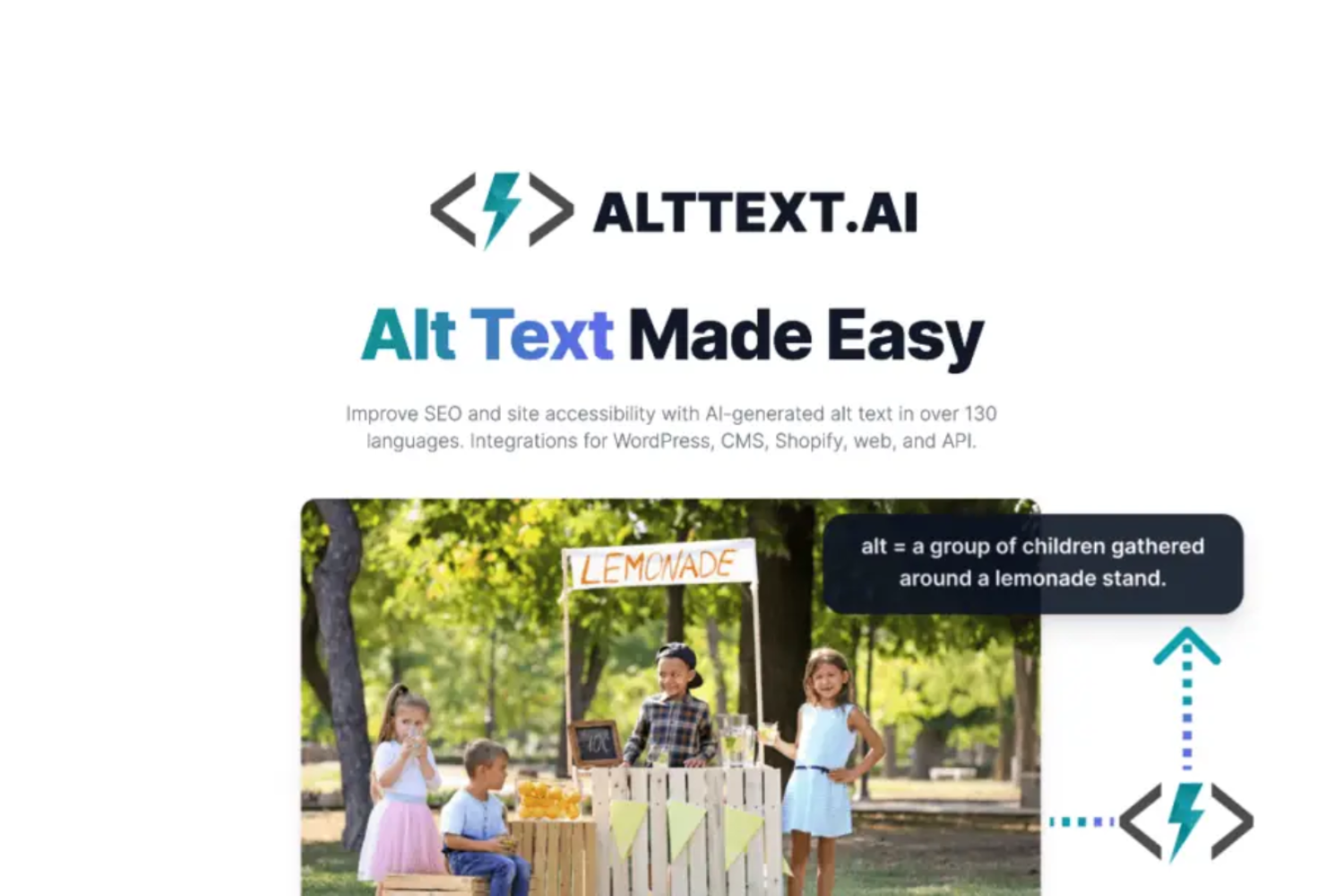
AltText.ai uses artificial intelligence to analyse images and generate relevant, descriptive alt text automatically.
Instead of manually writing descriptions for every image, website owners can integrate the service into their workflow.
Key capabilities include:
Automatic Image Descriptions
The AI scans each image and generates a clear, contextual description suitable for accessibility and search engines.
Bulk Processing
Large websites can generate alt text for hundreds or thousands of images in minutes.
CMS Integrations
AltText.AI connects with popular platforms such as:
- WordPress
- Shopify
- Content management systems through API integrations
This allows alt text to be created automatically during the upload process.
Customisation Options
Users can guide the AI to match their style by adjusting tone or including keywords where appropriate.
Improved Image SEO
Search engines receive better signals about the image content, which can help pages rank more effectively in both web and image search results.
For publishers, bloggers, and marketing sites, the time saved alone can be substantial.
Why Image SEO Matters for Content Websites
Websites built around informative content depend heavily on search traffic. Platforms such as InfluxJuice publish guides, marketing insights, and business advice that rely on clear structure and strong optimisation.
Images support that content by:
- Breaking up long sections of text
- Improving reader engagement
- Explaining complex ideas visually
However, without proper optimisation, those images contribute little to SEO.
Alt text helps search engines connect images with page topics. That creates additional ranking signals and improves discoverability.
Well-written alt text also strengthens topical relevance, which search algorithms consider when ranking pages.
A Practical Example: How AltText.AI Helped InfluxJuice
A useful example comes from the experience of InfluxJuice itself.
The site publishes a large volume of marketing and business articles. As a result, each piece includes several images to improve readability and keep readers engaged. Writing alt text manually for every image used to be part of the editorial workflow, but it slowed production and created inconsistencies.
After testing AltText.ai, the difference became clear.
The platform was integrated into the publishing process so that images automatically received descriptive alt text during upload. The AI analysed each visual and produced accurate descriptions that matched the context of the article.
Within weeks, the editorial team noticed several improvements.
First, publishing became faster. Writers no longer needed to stop and craft image descriptions manually. That saved time across dozens of articles.
Second, image optimisation became consistent. Instead of varying styles written by different contributors, the alt text followed a clear and structured format.
Third, accessibility improved. Screen readers could now describe images properly, which created a more inclusive reading experience.
Another benefit appeared in search performance. Image search traffic gradually increased, and pages began appearing more frequently in visual search results.
The result was a smoother publishing workflow and stronger SEO signals without adding extra work for writers.
For a content-focused platform, that efficiency is valuable.
Benefits of Using AltText.AI
Businesses and publishers gain several advantages from automated alt text tools.
1. Save Time
Manual descriptions can take hours for large image libraries. Automation reduces that task to seconds.
2. Improve Accessibility
Clear descriptions help users who rely on screen readers understand visual content.
3. Strengthen Image SEO
Search engines gain better context about the page and the images it contains.
4. Maintain Consistency
AI-generated descriptions follow a consistent format across a website.
5. Scale with Content Growth
As websites publish more content, automated tools prevent alt text from becoming a bottleneck.
For businesses producing frequent blog posts, product pages, or guides, these improvements quickly add up.
Best Practices When Using AI Alt Text Tools
AI-generated descriptions work best when combined with sensible SEO practices.
Consider the following tips:
- Use relevant keywords naturally within the alt text when appropriate
- Keep descriptions clear and factual
- Avoid keyword stuffing or overly long text
- Ensure images match the article topic
- Check important images manually when necessary
The goal is to help both search engines and users understand the visual content.
Frequently Asked Questions
What is alt text?
Alt text is a short written description attached to an image in HTML. It explains the content of the image for screen readers and search engines.
Why is alt text important for SEO?
Search engines cannot interpret images in the same way humans can. Alt text provides context that helps search engines understand the visual content and connect it to the page topic.
Can AI really write accurate alt text?
Modern AI tools analyse images using computer vision technology. Platforms such as AltText.ai can generate detailed descriptions quickly and with impressive accuracy.
Is automated alt text suitable for large websites?
Yes. Automation is particularly helpful for websites with many images, such as blogs, e-commerce platforms, and marketing sites.
Does alt text help accessibility?
Absolutely. Screen readers rely on alt text to describe images to visually impaired users. Clear descriptions create a more inclusive browsing experience.
Can AltText.AI integrate with WordPress or Shopify?
Yes. AltText.AI offers integrations and API options that allow websites to generate alt text automatically during image uploads.
Final Thoughts
Content websites thrive when efficiency and optimisation work together. Image descriptions may seem like a small detail, yet they influence accessibility, search visibility, and overall content quality.
Tools such as AltText.ai remove the manual effort from that task, allowing publishers to focus on writing valuable content while maintaining strong SEO standards.
For platforms such as InfluxJuice, the result is faster publishing, better accessibility, and improved image discoverability.
Small improvements across hundreds of pages can lead to measurable gains in traffic and usability.
Join the Discussion
Websites rely heavily on images, yet many overlook proper optimisation.
- Do you currently write alt text for every image on your website?
- How much time does that process take in your workflow?
- Would AI-generated descriptions help your content team work faster?
- Have you noticed traffic coming from image search?
Share your experience in the comments. Insights from real users help others improve their SEO strategies.
_________________________________________________________________
Disclosure: We are an affiliate partner with AltText.ai and earn a commission from purchases made through some links in this post at no extra cost to you.
Download your free copy of the Growth Engine Blueprint here and start accelerating your leads.
Want to know how we can guarantee a mighty boost to your traffic, rank, reputation and authority in you niche?
Tap here to chat to me and I’ll show you how we make it happen.
If you’ve enjoyed reading today’s blog, please share our blog link below.
Do you have a blog on business and marketing that you’d like to share on influxjuice.com/blog? Contact me at rob@influxjuice.com.
Latest Blogs
- Powerful Ways Miro Helps Smart Businesses Achieve Faster, Smarter Results
- 8 Proof Signals That Make DeFi Users Feel Safe
- How Trainual Transforms Onboarding into a Simple, Profitable Growth Engine
- 7 Community Growth Approaches Ranked by ROI for Web3 Startups
- 5 Token Launch Strategies Compared: Costs, Risks, Results